
苏菲(Qing),毕业于英国约克大学艺术管理专业,从事杂志编辑与写作、艺术家书工作坊老师,曾主编博客「苏菲独立书店」介绍世界各地书店与研究小书店经营模式(2005—2020);创办艺术媒体网站「Simple Style」(2009—2015);2009年创办香蕉鱼书店,负责书店选书、活动策划等,自2017年开始发起UNFOLD上海艺术书展项目并担任上海艺术书展策展人,负责书展的展览内容与讲座主持等。日常阅读及研究方向:激浪派 观念艺术 艺术家书的空间感和折叠方法 Something Else Press 中间艺术 事件标记 具象诗 邮件艺术 霓虹灯艺术 语言雕塑 影像艺术 行为艺术 FluxusFest 拼贴艺术 视觉诗歌 葡萄柚 Book Chess 女性主义。
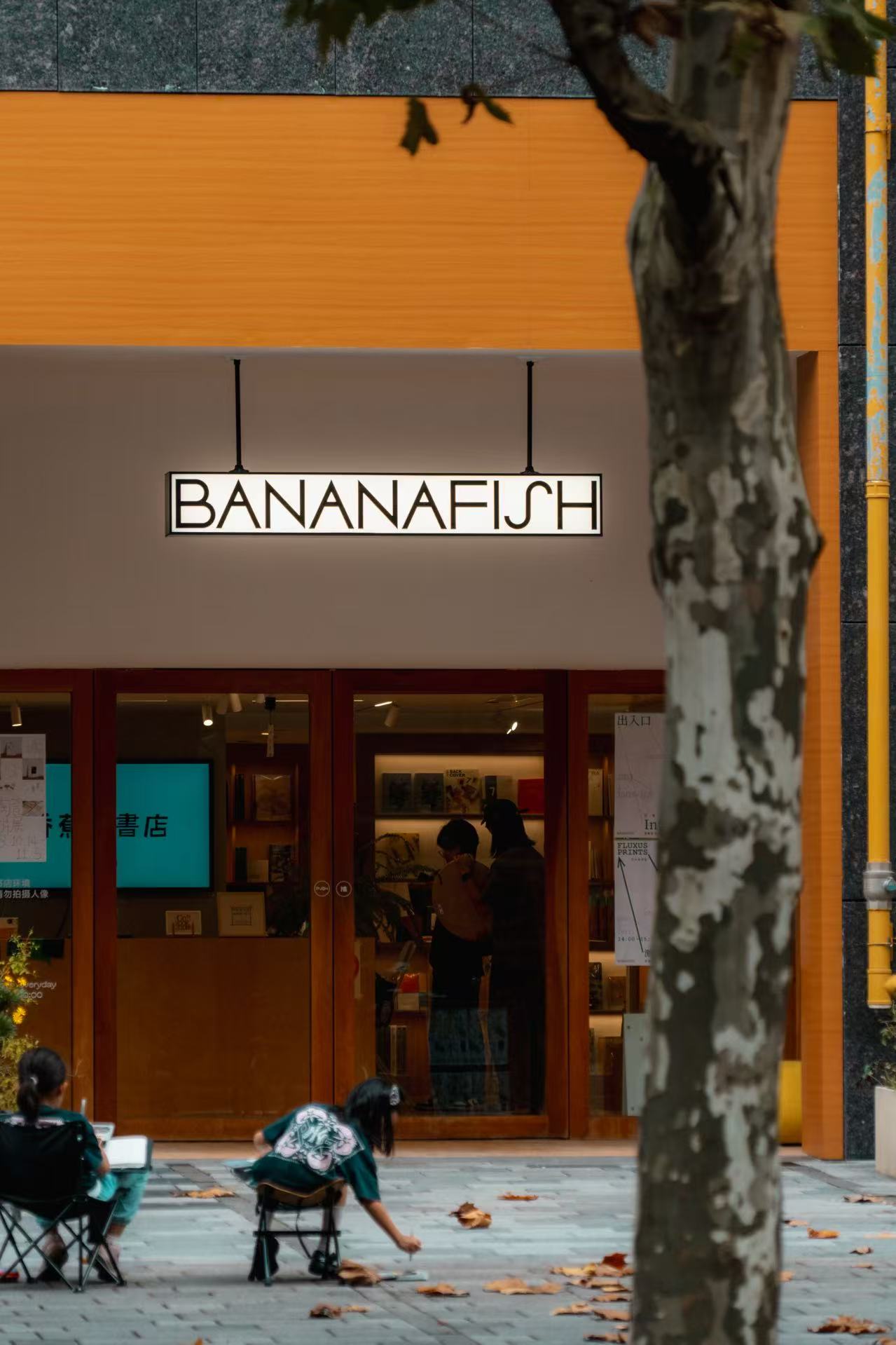
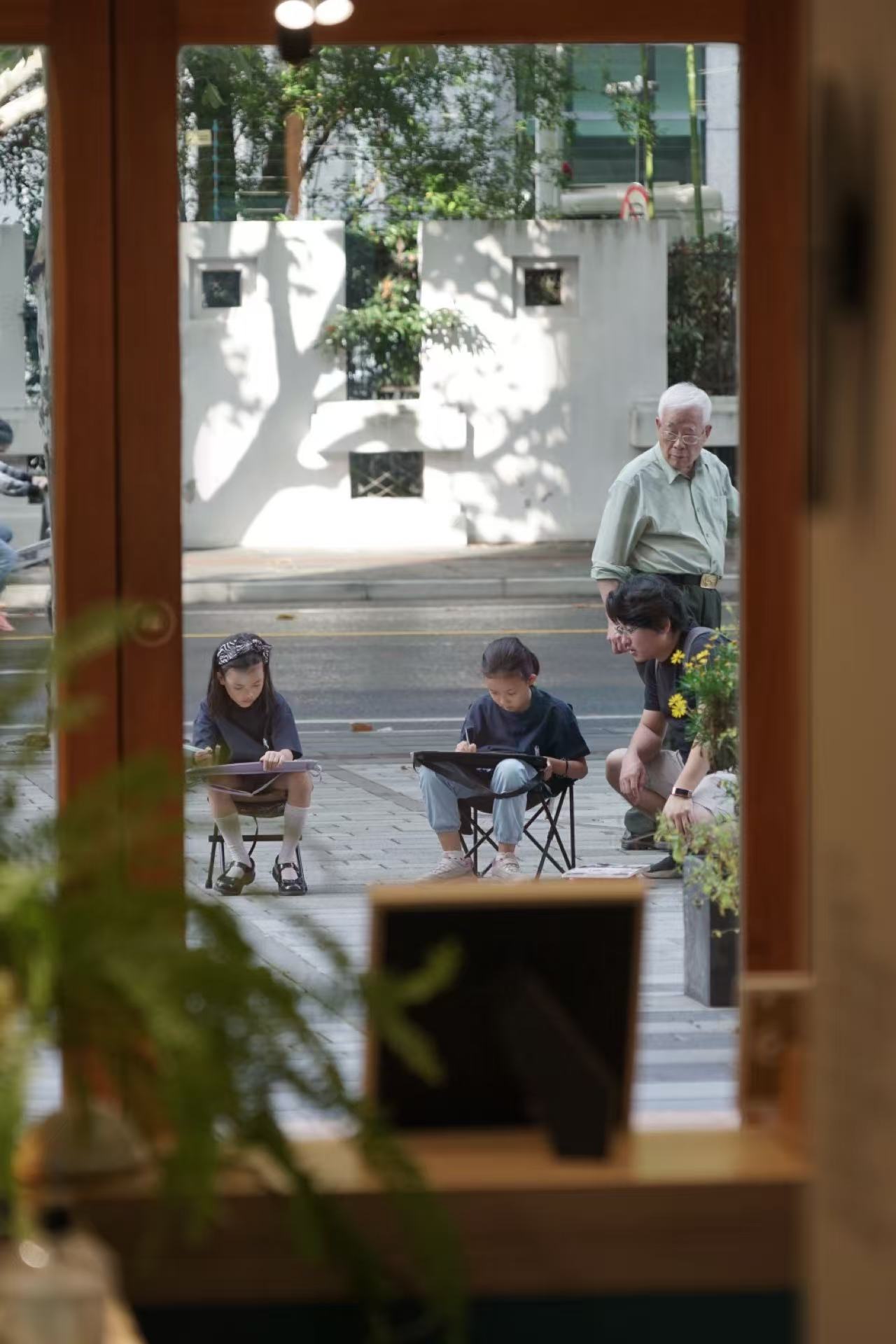
Address: Hongbaoshi Rd.7, Changning District, Shanghai. Open Everyday 10:00 – 19:00
Email: bananafishbooks#gmail.com, bananafishbooks#qq.com
Instagram:bananafishbooks,shanghaiartbookfair
Office Wechat:bananafishstudio
Phone number: 0086 13917112460
Mail Address: 上海长宁区红宝石路7号 香蕉鱼 1397112460; Bananafish, Hongbaoshi Rd.7, Changning District,Shanghai,China.201 106
(CN)
第一章 书作为媒介:艺术家书、选书与编辑 关键词:2009 年、独立书店、艺术家书、选书、阅读与编辑 从独立书店开始:艺术家书与香蕉鱼的选书工作
BANANAFISH BOOKS 香蕉鱼书店于 2009 年创办于上海。我们最初的想法很简单:把那些在普通书店里不容易遇见、却真正值得被阅读和看见的书带到身边,创办一家独特的「概念艺术设计书店」,概念书店,是她最初的定位。
在香蕉鱼出现之前,我们已经通过「苏菲独立书店」与艺术设计媒体 Simple Style,长期关注世界各地的独立书店、艺术出版、平面设计、摄影与视觉文化。旅行中不断遇到的小型书店、独立出版社、艺术家自出版物以及 Zine,让我们逐渐意识到:一本书不仅是承载文字和知识的容器,它也可以是一件作品、一种设计方法、一段个人经验的保存方式,甚至可以成为人与人建立关系的起点。
很多的观察和思考都记录在了很古早的网站:苏菲独立书店博客上:www.indieday.cn/indiebookstores。Simple Style 上也有大量的视觉文化的积累:www.simple-style.com。
香蕉鱼的名字来自 J. D. Salinger 的小说 A Perfect Day for Bananafish。早期我们也曾把自己的书店网站命名为 A Perfect Book for Bananafish——我们一直在寻找这样一本“恰好适合香蕉鱼的书”。这个带有个人趣味的名字,也保留了我们对书店最初的理解:一家独立书店不需要试图拥有所有的书,而应该持续做出自己的判断和选择。
长长的网站名字(鱼的尾巴)www.a-perfect-book-for-banananafish.com,从一开始就有一点反互联网、反快速获取的执拗在里面。
选书从一开始就是香蕉鱼最核心的工作。
READ MORE
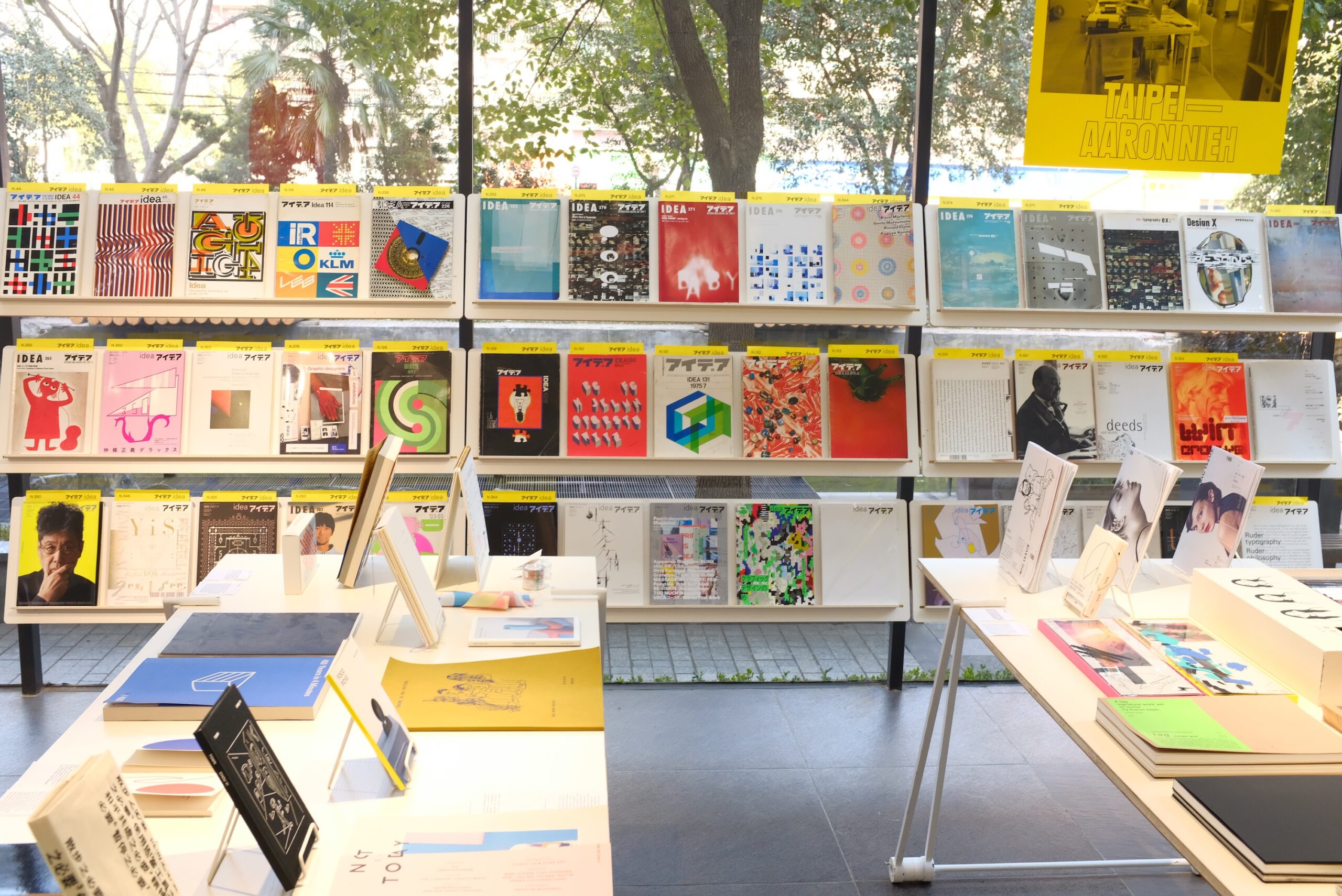
我们关注艺术家书、摄影书、平面设计、字体、插画、建筑、视觉文化、独立杂志、Zine,以及来自世界各地小型出版社和创作者的出版物。与其按照传统图书分类建立庞大的库存,我们更愿意通过一本一本具体的书,建立自己的阅读路径。一本我们真正理解、喜欢并愿意向别人介绍的书,对香蕉鱼而言,往往比数量更重要。
很多出版物第一次进入书店时,在中国几乎没有相关的中文资料。我们会阅读、研究作者和出版社,了解一本书产生的背景,再把这些信息重新整理给读者。选书因此并不是单纯的采购,而逐渐成为一种长期的编辑工作:发现、阅读、判断、建立语境,再把作品介绍给新的读者。近二十年,这仍然是香蕉鱼最基本的工作方式。
第二章 出版与共同制作:Zine、印刷与艺术家协作 关键词:Zine、艺术家合作、加餐面包印社、Risograph、展览与工作坊 从 Zine 到加餐面包印社:出版、印刷与艺术家合作
香蕉鱼从来没有把自己只理解成一家销售书籍的商店。在我们的实践中,Bookshop、Publishing、Exhibition、Printing、Workshop、Talk 与 Community 一直相互连接。
书店是入口。有人因为一本摄影书第一次认识一位艺术家,有人从一本 Zine 开始尝试自己的出版,也有人因为一次展览、一次讲座或一个工作坊第一次走进香蕉鱼。我们希望这些不同入口最终指向同一件事情:让人愿意继续阅读、制作、交流和表达。
因此,从早期开始,我们便不断邀请艺术家、摄影师、插画师和平面设计师合作出版 Zine 与艺术家书。对我们而言,出版并不是把已经完成的作品重新包装成书,而是与创作者一起重新思考:为什么这件作品需要成为一本书?它应该以怎样的顺序被阅读?纸张、尺寸、装订、印刷和翻阅方式如何参与内容本身?
2011 年,我们进一步建立 Pausebread Press 加餐面包印社。Risograph、丝网印刷、装订和小批量出版进入书店的工作体系后,香蕉鱼开始拥有从内容讨论、编辑、设计,到印刷、装订、陈列和销售的一条完整而开放的出版路径。
这也慢慢形成了我们非常看重的一种工作关系:艺术家、设计师、出版者、印刷者、书店和读者之间,并不一定是传统出版产业中严格的上下游关系。大家可以围绕一本书共同工作,通过不断讨论、实验、制作和反馈,让最终的出版物逐渐形成。我们把它理解为一种更平等的工作方式。
这些年,香蕉鱼也持续把书店空间开放给不同形式的文化实践。几十平方米的空间里发生过艺术家书展、平面设计展、摄影展、Zine 展、海报展、出版项目展示、Reading Club、Binding Talk、设计讲座、艺术家分享和各种手工制作课程。
我们曾经介绍 Nieves、Roma Publications、Primary Information、Knust Press 等国际独立出版实践,也持续关注 Karel Martens、服部一成、田中义久等设计师如何通过书籍工作;与此同时,我们同样愿意把空间交给第一次制作 Zine 的年轻创作者、刚刚建立自己出版品牌的小团队,以及那些尚未进入成熟机构体系,却已经形成独立表达方法的人,那些愿意为自己相信的事情长期投入的人。
一家独立书店真正有趣的地方,恰恰在于一本已经进入设计史的经典出版物,可以和一个年轻人刚刚订好二十册的第一本 Zine 放在同一个空间里。它们面对的是同一个读者,也因此产生新的联系。
第三章 从书店到 UNFOLD:独立出版的公共现场 关键词:2017 年、UNFOLD、上海艺术书展、独立出版人、跨城市交流 UNFOLD 上海艺术书展:让独立出版人见面
随着香蕉鱼的实践不断扩大,我们也越来越意识到,仅仅经营一家书店,并不足以回应我们所看到的中国独立出版生态。当越来越多年轻创作者开始制作自己的书,当不同城市陆续出现艺术书店、Riso Studio、独立出版社和 Zine 社群,我们开始思考:除了把书放在书架上,是否还可以创造一个更大的现场,让这些原本分散的人真正见面?
2017 年,我们发起 UNFOLD 上海艺术书展。(ins:shanghaiartbookfair)
从最初几十家出版人与创作者聚集在一起,到后来连接中国及海外不同城市的艺术家、设计师、出版社、艺术院校和文化机构,UNFOLD 逐渐成为香蕉鱼实践向外展开的重要部分。艺术书展让我们重新理解了“书店”的尺度。
一家书店每天接触几十位读者,而一个艺术书展可以在几天里让几百位创作者与成千上万名公众直接相遇。出版物不再只是陈列在书架上的商品,而成为交流发生的媒介:作者站在书后面,读者可以直接翻阅、提问、购买;不同国家和城市的出版者彼此认识,新的合作也可能从一张桌子旁开始。
我们也因此越来越关注独立出版背后的整个生态:一本作品如何被创作,谁为它设计,在哪里印刷,如何进入书店,怎样参加书展,如何找到读者,以及一个年轻出版人如何在商业规模并不大的情况下继续工作下去。
从 Bananafish Books、Pausebread Press 到 UNFOLD,这些项目看似拥有不同的名字和功能,但对我们而言,它们始终来自同一个出发点:让书籍生产艺术,也让艺术通过书籍进入更日常的生活。
香蕉鱼所关心的并不是简单地把“艺术”变得大众化,而是寻找一种更自然的方式,让专业的文化内容不必因为专业而变得遥远。一本设计史上的重要出版物,可以被认真研究,也可以只是坐在书店里慢慢翻完;一件艺术家的作品可以进入美术馆,也可以成为一本几十元的 Zine,被一个年轻人带回家;一个设计师的工作方法,可以通过展览被观看,也可以通过 Workshop 被亲手实践。
我们相信,文化真正发生作用,往往不是在人被告知“这是重要的艺术”时,而是在某一次偶然的阅读、观看、触摸和交流中,一个人突然产生了自己的兴趣。
第四章 书店作为学习现场:日常工作与知识生产 关键词:实习生、书店日常、选书研究、印刷制作、项目执行 在书店里学习工作:从选书、印刷到书展现场
香蕉鱼长期承担的另一个角色,是一个开放的学习与实践现场。近二十年来,来自中国以及世界不同国家和地区的学生来到香蕉鱼实习。他们中的很多人,最初只是因为喜欢艺术书、独立出版、平面设计或 Zine,对一家独立书店抱着某种想象和好奇来到这里。
有人只停留几个月,也有人持续参与更长时间;有人第一次真正接触艺术家书和独立出版,也有人已经带着自己的研究和创作方向加入我们。我们一直没有把“实习”理解成简单的辅助性工作。
在香蕉鱼,学生会真正进入一家独立文化机构的日常:整理和研究书籍,与出版社、艺术家和设计师沟通,参与选书、陈列、出版、展览、工作坊与活动执行,也会进入 Pausebread Press 的印刷现场,理解一本书从内容、设计、制作到进入书店和面对读者的完整过程。当 UNFOLD 艺术书展发生时,他们又会进入一个更大的文化现场,与来自不同城市和国家的出版人、艺术家和独立机构直接工作。
这种学习很难被完全写进课程表。它更多发生在每天具体的事情里:如何判断一本书值不值得被介绍,如何向一个陌生读者讲清楚它为什么有趣;如何与一位艺术家讨论作品,如何把一个模糊的想法逐渐转化为能够真正落地的项目;也包括如何面对预算、时间、物流、销售、现场突发状况,以及一家小型文化机构在现实条件中如何持续运作。
我们希望学生在这里看到,文化工作并不只是关于审美、知识和创意。它同样需要责任、判断、沟通、耐心,以及把一个想法真正做完的能力。
这些年,一批又一批年轻人从香蕉鱼离开,进入设计、艺术、出版、策展、教育和不同的文化行业,有些人后来建立自己的工作室、出版项目或创作实践,也有人多年之后再次以艺术家、设计师、合作伙伴甚至出版人的身份回到香蕉鱼。
对我们而言,这些关系并不是机构工作之外的附属成果。它们本身就是香蕉鱼长期文化实践的一部分。一家独立书店真正能够传递的,也许不只是书架上的内容。它还可以把一种工作方法、一套判断标准,以及对独立文化仍然值得投入时间的信念,交给下一代。
因此,BANANAFISH BOOKS 也逐渐成为一种介于书店、工作室与非正式学校之间的空间:人们来到这里,不只是消费文化,也参与文化如何被选择、制作、传播和继续下去。
第五章 持续的独立实践:创作者网络与文化策划 关键词:长期合作、出版社与创作者、内容策划、国际交流、独立判断 与创作者一起工作:香蕉鱼的长期合作与独立选择
十多年来,香蕉鱼经历过不同城市、不同空间,也经历了实体书店和文化行业不断变化的环境。我们越来越确定,一家小型独立书店真正能够长期积累的,并不是空间大小、库存数量或者短期的流量,而是判断、关系与信任。
我们与一些出版社合作了十几年,看着年轻设计师从第一次把作品带进书店,到拥有自己的工作室和出版计划;一些最初来参加工作坊的学生,后来成为设计师、艺术家和独立出版人,又带着自己的书回到香蕉鱼。很多艺术家和出版社从海外来到上海时,会把这里当作认识中国独立出版现场的一个入口;与此同时,我们也通过书店、展览和艺术书展,把中国创作者介绍给东京、首尔、新加坡、柏林以及更多城市的同行。
这种长期关系构成了香蕉鱼真正珍惜的部分。
近年来,我们也在重新理解实体书店面对今天文化环境时应该承担的角色。单纯依赖图书零售越来越难以支撑一家独立艺术书店长期运行,因此,香蕉鱼的工作重心也更加明确地从“卖书的空间”转向一个由内容策划、精选零售、出版、展览、教育、国际合作与文化项目共同组成的平台。
但这种变化并不意味着离开书店。恰恰相反,它让我们重新回到书店最基础的能力——curation,选择与建立关系。
选一本书是一种策展;组织一个书架也是一种策展;邀请一位设计师做展览、策划一次 Reading Club、出版一本艺术家书、组织一场艺术书展,甚至为一个文化品牌寻找合适的创作者,本质上都来自同一种工作方法:在大量的信息和可能性中判断什么值得被看见,并为不同的人建立真正有效的连接。
香蕉鱼一直是一间很小的书店。我们并不希望通过不断扩大规模来证明自己的价值。相反,我们越来越相信,小型文化空间拥有另一种力量:它可以保持判断,可以快速行动,可以与创作者建立直接关系,也可以允许一些尚未被市场证明的想法先发生。
从一本书、一个书架、一场十几个人的分享,到今天连接出版、设计、教育、印刷、展览与国际文化合作的工作网络,香蕉鱼并没有改变最初的兴趣。
我们仍然喜欢找到一本没有见过的好书,把它翻开;仍然愿意认识一个刚刚开始创作的人;仍然相信一本小小的出版物,可以携带一个完整而独立的世界。但 BANANAFISH BOOKS 想做的,从来不只是把书、作品或项目带到更多人面前。
近二十年来,我们更在意的是,通过一本书、一场展览、一次策划、一个事件,去确认并传递一种我们始终相信的东西:相信自己的判断,相信真正重要的事情值得长期投入,相信创作与坚持本身具有力量,也相信那些尚未被看见、尚未被证明的想法,仍然值得被认真对待。
书店、出版、印刷、展览、艺术书展,乃至后来不断发生的文化项目,对我们而言都只是不同的载体。真正贯穿其中的,是一种近乎固执的信念——愿意把时间交给自己真正相信的事情,并让这种相信在一次次实践中被验证、被放大,也被传递给更多人。
我们希望 BANANAFISH 所实践的以上各种经验,是一种能够继续留在人身上的力量:让人更愿意相信自己的选择,更有勇气坚持尚未完成的事情,也更愿意为真正重要的东西投入时间。
(EN)
Chapter One:
The Book as a Medium: Artists’ Books, Book Selection and Editing
2009, Independent Bookshops, Artists’ Books, Book Selection, Reading and Editing
Starting with an Independent Bookshop: Artists’ Books and BANANAFISH’s Book Selection Work
BANANAFISH BOOKS 香蕉鱼书店 was founded in Shanghai in 2009. Our original idea was simple: to bring closer those books that were difficult to encounter in ordinary bookstores, yet truly deserved to be read and seen, and to create a distinctive concept art and design bookstore. From the very beginning, the idea of a “concept bookstore” was central to our identity.
Before BANANAFISH came into being, we had already spent years following independent bookstores, art publishing, graphic design, photography and visual culture around the world through the blog Sophie’s Independent Bookstores and the art and design media platform Simple Style. Through our travels, we repeatedly encountered small bookstores, independent publishers, artists’ self-published works and zines. These experiences gradually made us realise that a book is not simply a container for text and knowledge. It can also be an artwork, a design method, a way of preserving personal experience, and even a starting point for relationships between people.
Many of these observations and reflections were recorded on our very early website, the Sophie’s Independent Bookstores blog: www.indieday.cn/indiebookstores. Simple Style also accumulated a substantial archive of writing and research on visual culture: www.simple-style.com.
The name BANANAFISH comes from J. D. Salinger’s story A Perfect Day for Bananafish. In the early years, we also named our bookstore website A Perfect Book for Bananafish—we were always looking for that “perfect book for Bananafish.” This slightly personal and idiosyncratic name also reflected our earliest understanding of what an independent bookstore could be: it did not need to own every book; it needed to keep making its own judgments and choices.
Even the unusually long website address—almost like the tail of a fish—www.a-perfect-book-for-banananafish.com carried, from the beginning, a certain stubborn resistance to the internet and to the culture of instant access.
Book selection has always been at the heart of BANANAFISH.
READ MORE
We focus on artists’ books, photography books, graphic design, typography, illustration, architecture, visual culture, independent magazines, zines, and publications by small publishers and individual creators from around the world. Rather than building a large inventory according to conventional categories, we prefer to construct our own reading paths through one specific book at a time. A book that we genuinely understand, value and want to introduce to others often matters more to us than quantity.
When many of these publications first entered the bookstore, there was almost no information about them available in Chinese. We would read them, research the authors and publishers, understand the context in which each book was produced, and then reorganise that information for our readers.
Book selection, therefore, gradually became more than purchasing. It became a long-term editorial practice: discovering, reading, judging, building context, and introducing works to new readers.
Nearly twenty years later, this remains one of BANANAFISH’s most fundamental ways of working.
Chapter Two:
Publishing and Co-production: Zines, Printing and Collaboration with Artists
Zines, Artist Collaborations, Pausebread Press, Risograph, Exhibitions and Workshops
From Zines to Pausebread Press: Publishing, Printing and Collaboration with Artists
BANANAFISH has never understood itself simply as a shop that sells books.
In our practice, Bookshop, Publishing, Exhibition, Printing, Workshop, Talk and Community have always been interconnected.
The bookstore is an entry point. Someone may discover an artist for the first time through a photography book; someone else may begin experimenting with self-publishing after encountering a zine; another person may first enter BANANAFISH because of an exhibition, a talk or a workshop.
We hope these different entry points ultimately lead toward the same thing: encouraging people to keep reading, making, communicating and expressing themselves.
From the early years onward, we continuously invited artists, photographers, illustrators and graphic designers to collaborate with us on zines and artists’ books.
For us, publishing has never meant simply repackaging completed work into book form. Instead, it means reconsidering the work together with the creator: Why does this work need to become a book? In what sequence should it be read? How can paper, format, binding, printing and the physical act of turning pages become part of the content itself?
In 2011, we established Pausebread Press 加餐面包印社. As Risograph, screen printing, binding and short-run publishing became part of the bookstore’s working system, BANANAFISH developed an open and integrated publishing process extending from content discussion and editing to design, printing, binding, display and sales.
Over time, this also shaped a working relationship that we value deeply: artists, designers, publishers, printers, bookstores and readers do not necessarily have to exist within a rigid upstream-downstream hierarchy like that of conventional publishing.
Everyone can work around a book together. Through continuous discussion, experimentation, making and feedback, the final publication gradually takes shape.
We understand this as a more equal way of working.
Over the years, BANANAFISH has also continued to open its bookstore space to different forms of cultural practice. Within a space of only a few dozen square metres, we have hosted exhibitions of artists’ books, graphic design, photography, zines and posters; publishing project presentations; Reading Clubs; Binding Talks; design lectures; artist talks; and a wide range of hands-on workshops.
We have introduced international independent publishing practices such as Nieves, Roma Publications, Primary Information and Knust Press, while continuing to follow how designers such as Karel Martens, Katsumi Asaba? [Note: need preserve 服部一成 = Kazunari Hattori, 田中义久=Yoshihisa Tanaka] work through books. At the same time, we are equally willing to give space to young creators making their first zine, small teams just beginning to establish their own publishing practices, and those who have not yet entered established institutional systems but have already developed an independent way of expressing themselves—people willing to devote years to what they genuinely believe in.
What makes an independent bookstore truly interesting is precisely this: a publication that has already entered the history of design can sit in the same space as a young creator’s first zine, freshly bound in an edition of twenty copies. They face the same reader and, in doing so, form new connections.
READ MORE
Chapter Three:
From the Bookshop to UNFOLD: A Public Space for Independent Publishing
2017, UNFOLD, Shanghai Art Book Fair, Independent Publishers, Cross-city Exchange
UNFOLD Shanghai Art Book Fair: Bringing Independent Publishers Together
As BANANAFISH’s practice continued to expand, we increasingly realised that simply running a bookstore was no longer enough to respond to the independent publishing ecology we were witnessing in China.
As more and more young creators began making their own books, and as art bookstores, Riso studios, independent publishers and zine communities gradually appeared in different cities, we began asking ourselves: beyond placing books on shelves, could we create a larger gathering place where these otherwise dispersed people could genuinely meet?
In 2017, we initiated UNFOLD Shanghai Art Book Fair.
From the first gathering of several dozen publishers and creators to a platform that later connected artists, designers, publishers, art schools and cultural institutions across China and overseas, UNFOLD gradually became an important outward extension of BANANAFISH’s practice.
The art book fair changed the way we understood the scale of a “bookstore.”
A bookstore may meet dozens of readers each day, while an art book fair can bring hundreds of creators into direct contact with thousands of visitors over the course of several days.
Publications are no longer simply products displayed on shelves. They become mediums through which exchange happens: authors stand behind their own books; readers can browse, ask questions and buy directly; publishers from different countries and cities meet one another; and new collaborations may begin beside a single table.
As a result, we became increasingly interested in the entire ecology behind independent publishing: how a work is created, who designs it, where it is printed, how it enters bookstores, how it reaches art book fairs, how it finds readers, and how a young publisher can continue working when the commercial scale of the practice remains relatively small.
From Bananafish Books and Pausebread Press to UNFOLD, these projects may have different names and functions, but for us they have always grown from the same starting point:
Let books produce art, and let art enter everyday life through books.
What BANANAFISH cares about is not simply making “art” more popular or accessible, but finding a more natural way for specialised cultural content to remain close to people without becoming distant simply because it is specialised.
An important publication in design history can be studied seriously, but it can also simply be slowly read in a bookstore. An artist’s work can enter a museum, but it can also become an affordable zine that a young person takes home. A designer’s working method can be viewed in an exhibition, but it can also be experienced directly through a workshop.
We believe culture truly begins to have an effect not when someone is told, “This is important art,” but in a moment of accidental reading, looking, touching or conversation, when a person suddenly develops an interest of their own.
READ MORE
Chapter Four:
The Bookshop as a Site of Learning: Everyday Work and Knowledge Production
Interns, Everyday Life at the Bookshop, Book Selection Research, Printing and Production, Project Execution
Learning to Work in a Bookshop: From Book Selection and Printing to the art book fair scene
Another long-standing role of BANANAFISH has been that of an open site for learning and practice.
Over nearly twenty years, students from China and many other parts of the world have come to BANANAFISH as interns.
Many first arrived simply because they loved art books, independent publishing, graphic design or zines, and because they carried a certain imagination and curiosity about what an independent bookstore could be. Some stayed for only a few months, while others remained involved for much longer. Some encountered artists’ books and independent publishing seriously for the first time here, while others joined us with their own research and creative directions already taking shape.
We have never understood “internships” as merely auxiliary work.
At BANANAFISH, students enter the actual daily life of an independent cultural organisation. They organise and research books, communicate with publishers, artists and designers, and take part in book selection, display, publishing, exhibitions, workshops and event production.
They also enter the printing environment of Pausebread Press, where they can understand the complete process through which a book moves from content and design to production, into the bookstore, and finally into the hands of readers.
When UNFOLD Art Book Fair takes place, they enter an even larger cultural field, working directly with publishers, artists and independent organisations from different cities and countries.
This kind of learning is difficult to fit neatly into a syllabus.
It happens instead through the practical details of everyday work: how to judge whether a book deserves to be introduced; how to explain to a stranger why a particular publication is interesting; how to discuss a work with an artist; how to gradually turn an ambiguous idea into a project that can actually happen.
It also means learning how to deal with budgets, time, logistics, sales, unexpected situations on site, and the realities of how a small cultural organisation continues to operate under practical constraints.
We hope students can see here that cultural work is not only about aesthetics, knowledge and creativity. It also requires responsibility, judgment, communication, patience, and the ability to carry an idea through to completion.
Over the years, generation after generation of young people have left BANANAFISH and gone on to work in design, art, publishing, curating, education and other cultural fields. Some later established their own studios, publishing projects or creative practices. Others returned years later as artists, designers, collaborators or publishers.
For us, these relationships are not secondary outcomes of institutional work.
They are themselves part of BANANAFISH’s long-term cultural practice.
What an independent bookstore can truly pass on may not be limited to what sits on its shelves. It can also pass on a way of working, a set of standards for judgment, and a belief that independent cultural practice is still worth giving time to.
BANANAFISH BOOKS has therefore gradually become a space somewhere between a bookstore, a studio and an informal school: people come here not only to consume culture, but also to participate in how culture is selected, made, circulated and carried forward.
Chapter Five:
Ongoing Independent Practice: Networks of Creators and Cultural Planning
Long-term Collaboration, Publishers and Creators, Content Planning, International Exchange, Independent Judgment
Working with Creators: BANANAFISH’s Long-term Collaborations and Independent Practices
Over the past decade and more, BANANAFISH has moved through different cities and spaces, while also experiencing the continuous changes affecting physical bookstores and the wider cultural industry.
We have become increasingly certain that what a small independent bookstore can truly accumulate over time is not the size of its space, the scale of its inventory or short-term traffic, but judgment, relationships and trust.
We have worked with some publishers for more than a decade. We have watched young designers bring their work into the bookstore for the first time, and later build their own studios and publishing programmes. Some students who first joined one of our workshops later became designers, artists and independent publishers, eventually returning to BANANAFISH with books of their own.
Many artists and publishers visiting Shanghai from overseas have treated BANANAFISH as an entry point into China’s independent publishing scene. At the same time, through the bookstore, exhibitions and art book fairs, we have introduced Chinese creators to colleagues in Tokyo, Seoul, Singapore, Berlin and many other cities.
These long-term relationships are among the things BANANAFISH values most.
In recent years, we have also been reconsidering what role a physical bookstore should play within today’s cultural environment.
Relying on book retail alone has become increasingly difficult as a long-term model for an independent art bookstore. BANANAFISH has therefore moved more clearly from being simply a “place that sells books” toward a platform combining content curation, selective retail, publishing, exhibitions, education, international collaboration and cultural projects.
But this does not mean moving away from the bookstore.
On the contrary, it brings us back to the bookstore’s most fundamental ability: curation—the ability to choose and to build relationships.
Choosing a book is a form of curation. Organising a bookshelf is also a form of curation. Inviting a designer to make an exhibition, organising a Reading Club, publishing an artist’s book, producing an art book fair, or even finding the right creator for a cultural brand all come from the same working method: making judgments among an abundance of information and possibilities about what deserves to be seen, and creating meaningful connections between different people.
BANANAFISH has always been a very small bookstore.
We do not want to prove our value by constantly expanding our scale. On the contrary, we increasingly believe that small cultural spaces possess another kind of strength: they can preserve independent judgment, act quickly, maintain direct relationships with creators, and allow ideas that have not yet been validated by the market to happen first.
From one book, one bookshelf and a small talk attended by a dozen people, to today’s network connecting publishing, design, education, printing, exhibitions and international cultural collaboration, BANANAFISH has not changed its original interests.
We still love discovering a book we have never seen before and opening it. We are still willing to meet someone who is only just beginning to create. We still believe that a small publication can contain an entire and independent world.
But what BANANAFISH BOOKS wants to do has never been limited to bringing books, works or projects in front of more people.
For nearly twenty years, what has mattered more to us is using a book, an exhibition, a curatorial project or an event to affirm and pass on something we have always believed in:
believing in one’s own judgment; believing that what truly matters deserves long-term commitment; believing that creation and persistence have power in themselves; and believing that ideas which have not yet been seen or proven still deserve to be taken seriously.
Bookstores, publishing, printing, exhibitions, art book fairs and the many cultural projects that followed are, for us, simply different carriers.
What truly runs through all of them is an almost stubborn conviction: to give time to what we genuinely believe in, and to allow that belief to be tested, strengthened and passed on through repeated practice.
We hope that all these experiences BANANAFISH has put into practice can become a kind of strength that continues to remain within people:
the willingness to trust one’s own choices, the courage to persist with things that are still unfinished, and the readiness to give time to what truly matters.
(JP)
1
BANANAFISH BOOKS 香蕉鱼書店は、2009年に上海で設立されました。最初の考えはとてもシンプルなものでした。一般的な書店ではなかなか出会えないけれど、本当に読まれ、見られる価値のある本を身近な場所へ届け、独自の「コンセプト型アート&デザイン書店」をつくること。「コンセプト書店」という考え方は、創業当初からBANANAFISHの基本的な位置づけでした。
BANANAFISHを始める以前から、私たちは「苏菲独立书店(Sophie’s Independent Bookstores)」とアート・デザインメディア Simple Style を通して、世界各地の独立系書店、アート出版、グラフィックデザイン、写真、ヴィジュアルカルチャーを長く追い続けてきました。
旅をするなかで出会った小さな書店、独立系出版社、アーティストによる自主出版物、そしてZINE。それらを見続けるうちに、本は文字や知識を収めるためだけの容器ではないと考えるようになりました。本そのものが作品になることもあれば、デザインの方法にもなり、個人的な経験を残す方法にもなります。そして、ときには人と人の関係が始まる場所にもなります。
こうした観察や考えの多くは、かなり初期のウェブサイトである「苏菲独立书店」ブログに記録されています:
www.indieday.cn/indiebookstores
Simple Styleにも、ヴィジュアルカルチャーに関する多くの蓄積があります:
www.simple-style.com
READ MORE
BANANAFISHという名前は、J. D. サリンジャーの小説 A Perfect Day for Bananafish に由来しています。初期には、書店のウェブサイトを A Perfect Book for Bananafish と名づけていました。私たちはずっと、「バナナフィッシュにぴったりの一冊」を探していたのです。
この少し個人的で遊び心のある名前には、独立系書店についての私たちの最初の考え方も表れています。独立系書店は、すべての本を揃える必要はない。むしろ、自分たちなりの判断と選択を続けていくべきだということです。
www.a-perfect-book-for-banananafish.com という、とても長いウェブサイト名——まるで魚の尻尾のようなその長さにも、最初からどこかインターネット的な速さや、すぐに情報へ到達できることへの小さな抵抗と頑固さが含まれていました。
選書は、創業当初からBANANAFISHの中心にあります。
私たちが扱うのは、アーティストブック、写真集、グラフィックデザイン、タイポグラフィ、イラストレーション、建築、ヴィジュアルカルチャー、インディペンデントマガジン、ZINE、そして世界各地の小規模出版社や個人の作り手による出版物です。
一般的な書籍分類に沿って大量の在庫を持つことよりも、一冊一冊の具体的な本を通して、自分たちなりの読書の道筋をつくっていくことを大切にしています。私たち自身が本当に理解し、好きで、人に紹介したいと思える一冊は、BANANAFISHにとって数量以上の意味を持ちます。
多くの出版物が初めて店頭に入ってきた頃、中国語で読める情報はほとんどありませんでした。私たちは実際に本を読み、作家や出版社を調べ、その本が生まれた背景を理解し、それらの情報をあらためて整理して読者へ紹介してきました。
そのため、選書は単なる仕入れではなく、次第に長期的な編集作業になっていきました。発見すること、読むこと、判断すること、文脈をつくること、そして作品を新しい読者へ紹介すること。20年近く経った今も、これはBANANAFISHの最も基本的な仕事の方法です。
2
BANANAFISHは、自分たちを単に本を販売する店だと考えたことはありません。私たちの実践のなかでは、Bookshop、Publishing、Exhibition、Printing、Workshop、Talk、Community が常につながっています。
書店は入口です。ある人は一冊の写真集を通じて初めてあるアーティストを知り、ある人は一冊のZINEから自分自身の出版を始めます。また、展覧会やトーク、ワークショップをきっかけに初めてBANANAFISHを訪れる人もいます。
私たちは、こうしたさまざまな入口が最終的に同じ方向へつながっていくことを願っています。つまり、人がさらに読み、つくり、交流し、表現し続けたくなることです。
そのため、初期の頃から私たちはアーティスト、写真家、イラストレーター、グラフィックデザイナーたちを招き、ZINEやアーティストブックを共同で制作してきました。
私たちにとって出版とは、すでに完成した作品を本という形に包み直すことではありません。むしろ作り手と一緒に、あらためて問い直すことです。なぜこの作品は本になる必要があるのか。どのような順番で読まれるべきなのか。紙、サイズ、製本、印刷、そしてページをめくる行為そのものが、どのように内容へ関わることができるのか。
2011年には、さらに Pausebread Press 加餐面包印社 を立ち上げました。Risograph、シルクスクリーン、製本、小部数出版が書店の仕事のなかへ入ることで、BANANAFISHは内容の議論、編集、デザインから、印刷、製本、展示、販売までをつなぐ、開かれた出版の流れを持つようになりました。
そこから、私たちがとても大切にしている仕事の関係も少しずつ形づくられていきました。アーティスト、デザイナー、出版社、印刷者、書店、読者のあいだに、従来の出版産業のような厳密な上流・下流の関係が必ずしも必要なわけではありません。
一冊の本を中心に、全員が一緒に仕事をすることができます。議論し、実験し、つくり、フィードバックを重ねながら、最終的な出版物が少しずつ形になっていく。私たちはそれを、より平等な仕事の仕方だと考えています。
BANANAFISHは長年にわたり、書店の空間をさまざまな文化実践へ開いてきました。数十平方メートルの小さな空間で、アーティストブック展、グラフィックデザイン展、写真展、ZINE展、ポスター展、出版プロジェクト展示、Reading Club、Binding Talk、デザインレクチャー、アーティストトーク、そしてさまざまな手を動かすワークショップを行ってきました。
Nieves、Roma Publications、Primary Information、Knust Pressなど、国際的な独立出版の実践を紹介してきた一方で、Karel Martens、服部一成、田中義久といったデザイナーが本を通してどのように仕事をしているのかにも継続して注目してきました。
同時に、初めてZINEをつくる若い作り手、自分たちの出版ブランドを立ち上げたばかりの小さなチーム、まだ成熟した制度のなかには入っていなくても、すでに独自の表現方法を持っている人たち——自分が信じることに長い時間をかけようとする人たちにも、同じように場所を開いてきました。
独立系書店の本当のおもしろさは、すでにデザイン史のなかに位置づけられた重要な出版物と、若い作り手がつい先ほど20部だけ製本した最初のZINEが、同じ空間に並ぶことにあります。それらは同じ読者に向き合い、そこから新しい関係が生まれていきます。
3
BANANAFISHの実践が広がっていくにつれ、書店を運営するだけでは、私たちが目の前で見てきた中国の独立出版のエコロジーに十分応えられないと考えるようになりました。
自分の本をつくる若い作り手が増え、さまざまな都市にアートブックショップ、Riso Studio、独立系出版社、ZINEコミュニティが生まれていくなかで、私たちは考え始めました。本を棚に置くだけではなく、離れた場所で活動する人たちが実際に出会える、もっと大きな「場」をつくることはできないだろうか、と。
2017年、私たちは UNFOLD 上海アートブックフェアを立ち上げました。
最初は数十組の出版社や作り手が集まる場でしたが、その後、中国国内外のさまざまな都市からアーティスト、デザイナー、出版社、芸術大学、文化機関がつながるプラットフォームへと発展していきました。UNFOLDは次第に、BANANAFISHの実践が外へ広がっていく重要な一部になりました。
アートブックフェアは、「書店」というもののスケールについても私たちの理解を変えました。一つの書店が一日に出会える読者は数十人かもしれません。しかしアートブックフェアでは、数日間のうちに数百人の作り手と数千人の来場者が直接出会うことができます。
出版物は、棚に置かれた商品であるだけではなくなります。作者自身が本の後ろに立ち、読者は直接本を手に取り、質問し、購入することができます。異なる国や都市の出版者同士が出会い、一つのテーブルの横から新しいコラボレーションが始まることもあります。
その経験を通して、私たちは独立出版の背後にあるエコロジー全体へ、ますます関心を持つようになりました。一つの作品はどのようにつくられるのか。誰がデザインするのか。どこで印刷されるのか。どのように書店へ入り、どのようにアートブックフェアへ参加し、どのように読者と出会うのか。
そして、商業的には決して大きな規模ではないなかで、一人の若い出版者はどうすれば活動を続けていけるのか。
Bananafish Books、Pausebread Press、UNFOLD。それぞれ名前も機能も異なりますが、私たちにとってはすべて同じ出発点から始まっています。本からアートを生み出し、アートを書籍を通してより日常的な生活へ届けること。
BANANAFISHが考えているのは、単純に「アート」を大衆化することではありません。専門的な文化内容が、専門的であるがゆえに人から遠ざかってしまうことなく、もっと自然なかたちで人の近くに存在できる方法を探しています。
デザイン史のなかで重要な一冊は、真剣に研究されてもいいし、書店の椅子に座ってゆっくり読み終えてもいい。アーティストの作品は美術館に入ることもできれば、数十元のZINEとなって若い人の家へ持ち帰られることもできます。デザイナーの仕事の方法は展覧会で見ることもできれば、Workshopを通じて自分の手で経験することもできます。
私たちは、文化が本当に作用し始めるのは、「これは重要なアートです」と誰かに教えられた瞬間ではないと考えています。偶然の読書、見ること、触れること、会話することのなかで、ある人が突然、自分自身の興味を持ち始める。文化は、そうした瞬間に初めて本当に動き始めるのだと思います。
4
BANANAFISHが長く担ってきたもう一つの役割は、開かれた学びと実践の場であることです。20年近くにわたり、中国だけでなく世界のさまざまな国や地域から学生たちがBANANAFISHへインターンとしてやって来ました。
その多くは、アートブック、独立出版、グラフィックデザイン、ZINEが好きで、独立系書店に対するある種の憧れや好奇心を抱いてここへ来た人たちです。数か月だけ滞在する人もいれば、より長い期間関わり続ける人もいます。
ここで初めて本格的にアーティストブックや独立出版に触れた人もいれば、すでに自分自身の研究や制作テーマを持って参加した人もいました。私たちは、「インターン」を単なる補助的な仕事だと考えたことはありません。
BANANAFISHでは、学生たちは独立系文化機関の日常そのものへ入っていきます。本を整理し、調査し、出版社、アーティスト、デザイナーとコミュニケーションを取り、選書、展示、出版、展覧会、ワークショップ、イベント運営に関わります。
Pausebread Pressの印刷現場にも入り、一冊の本が内容、デザイン、制作から書店へ入り、読者と出会うまでの全体のプロセスを理解します。UNFOLDアートブックフェアの時期には、さらに大きな文化の現場へ入り、異なる都市や国から来た出版者、アーティスト、独立系機関と直接一緒に仕事をします。
こうした学びを、すべてカリキュラムとして書き出すことは難しいでしょう。むしろ日々の具体的な仕事のなかで起こります。一冊の本を紹介する価値があるかどうかをどう判断するのか。初めて会う読者に、その本のどこがおもしろいのかをどう伝えるのか。
アーティストと作品についてどう話し合うのか。まだ曖昧なアイデアを、実際に実現できるプロジェクトへどう変えていくのか。さらに、予算、時間、物流、販売、現場で起こる予期しない問題、そして小さな文化機関が現実の条件のなかでどう継続していくのかも学びます。
私たちは、学生たちにここで見てほしいと思っています。文化の仕事は、美意識や知識、クリエイティビティだけで成り立つものではありません。責任、判断、コミュニケーション、忍耐、そして一つのアイデアを最後までやり切る力も必要です。
これまで、一世代また一世代と若い人たちがBANANAFISHを離れ、デザイン、アート、出版、キュレーション、教育、その他さまざまな文化分野へ進んでいきました。自分自身のスタジオ、出版プロジェクト、制作活動を立ち上げた人もいます。そして何年か後に、アーティスト、デザイナー、パートナー、あるいは出版者として、再びBANANAFISHへ戻ってきた人もいます。
私たちにとって、こうした関係は機関の仕事とは別に生まれた副次的な成果ではありません。それ自体が、BANANAFISHの長期的な文化実践の一部です。
独立系書店が本当に次の世代へ渡せるものは、棚の上にある本だけではないのかもしれません。一つの仕事の方法、一つの判断の基準、そして独立した文化実践には今も時間を費やす価値があるという信念も、次の世代へ渡すことができます。
そのためBANANAFISH BOOKSは次第に、書店、スタジオ、そして非公式な学校のあいだにあるような場所になってきました。人々はここへ、文化を消費するためだけに来るのではありません。文化がどのように選ばれ、つくられ、伝えられ、そして次へ続いていくのか、その過程そのものに参加します。
5
BANANAFISHは十数年以上のあいだに、異なる都市、異なる空間を経験し、実店舗の書店や文化産業を取り巻く環境の変化も経験してきました。
私たちは次第に、小さな独立系書店が長い時間をかけて本当に蓄積できるものは、空間の大きさでも、在庫数でも、一時的な集客でもないと考えるようになりました。それは、判断、関係、そして信頼です。
十年以上にわたって一緒に仕事をしている出版社もあります。最初に作品を持って書店へ来た若いデザイナーが、自分のスタジオや出版プロジェクトを持つようになるまでを見てきました。最初はワークショップの参加者だった学生が、その後デザイナー、アーティスト、独立出版者となり、自分の本を持ってBANANAFISHへ戻ってくることもあります。
海外から上海へ来る多くのアーティストや出版社にとって、BANANAFISHは中国の独立出版の現場を知る入口の一つになってきました。同時に私たちは、書店、展覧会、アートブックフェアを通して、中国の作り手を東京、ソウル、シンガポール、ベルリン、そしてさらに多くの都市の仲間たちへ紹介してきました。
こうした長期的な関係こそ、BANANAFISHが本当に大切にしているものです。
近年、私たちは今日の文化環境のなかで、実店舗の書店がどのような役割を担うべきなのかについても、あらためて考えています。本の小売だけに依存して独立系アートブックショップを長期的に維持することは、ますます難しくなっています。
そのためBANANAFISHの仕事は、「本を売る場所」から、より明確に、コンテンツキュレーション、セレクト型リテール、出版、展覧会、教育、国際協働、文化プロジェクトを組み合わせたプラットフォームへと移行してきました。
しかし、それは書店から離れるということではありません。むしろ逆です。私たちは書店が本来持っている最も基本的な力へ、もう一度戻っています。それは curation——選ぶこと、そして関係をつくることです。
一冊の本を選ぶこともキュレーションです。一つの本棚をつくることもキュレーションです。一人のデザイナーを招いて展覧会をつくること、Reading Clubを企画すること、アーティストブックを出版すること、アートブックフェアを運営すること、さらには文化ブランドのために適切な作り手を探すことも、本質的には同じ仕事の方法から生まれています。
膨大な情報と可能性のなかから、何が見られる価値を持つのかを判断し、人と人のあいだに本当に意味のある関係をつくることです。
BANANAFISHはずっと、とても小さな書店です。私たちは、規模を拡大し続けることで自分たちの価値を証明したいとは思っていません。むしろ、小さな文化空間には別の力があると、ますます強く考えるようになりました。
自分たちなりの判断を保つことができる。素早く動くことができる。作り手と直接的な関係を築くことができる。そして、市場でまだ証明されていないアイデアを、先に起こすことができる。
一冊の本、一つの本棚、十数人が集まる小さなトークから始まり、今では出版、デザイン、教育、印刷、展覧会、国際文化協働をつなぐ仕事のネットワークへ。BANANAFISHは、それでも最初の関心を変えていません。
今も、見たことのない良い本を見つければ開いてみたいと思います。今も、創作を始めたばかりの人と出会いたいと思います。今も、一冊の小さな出版物のなかに、一つの完全で独立した世界を収めることができると信じています。
しかし、BANANAFISH BOOKSがやりたいことは、本や作品、プロジェクトをより多くの人の前へ届けることだけではありません。
20年近くにわたって私たちがより大切にしてきたのは、一冊の本、一つの展覧会、一つの企画、一つの出来事を通して、私たちがずっと信じてきたものを確かめ、それを次へ手渡していくことです。
自分自身の判断を信じること。本当に大切なことには長い時間をかける価値があると信じること。創作すること、続けること自体に力があると信じること。そして、まだ見つけられていない、まだ証明されていないアイデアであっても、真剣に向き合う価値があると信じること。
書店、出版、印刷、展覧会、アートブックフェア、そしてその後に続いてきたさまざまな文化プロジェクトは、私たちにとって異なるかたちの媒体にすぎません。
そのすべてを貫いているのは、ある意味では頑固とも言える一つの信念です。自分が本当に信じるものに時間を差し出すこと。そして、その「信じること」を、一つ一つの実践を通して確かめ、より強くし、さらに多くの人へ手渡していくこと。
BANANAFISHがこれまで実践してきたさまざまな経験が、人のなかに残り続ける一つの力になってほしいと、私たちは願っています。自分自身の選択をもう少し信じられること。まだ完成していないことを続ける勇気を持てること。そして、本当に大切なもののために、自分の時間を差し出そうと思えること。