
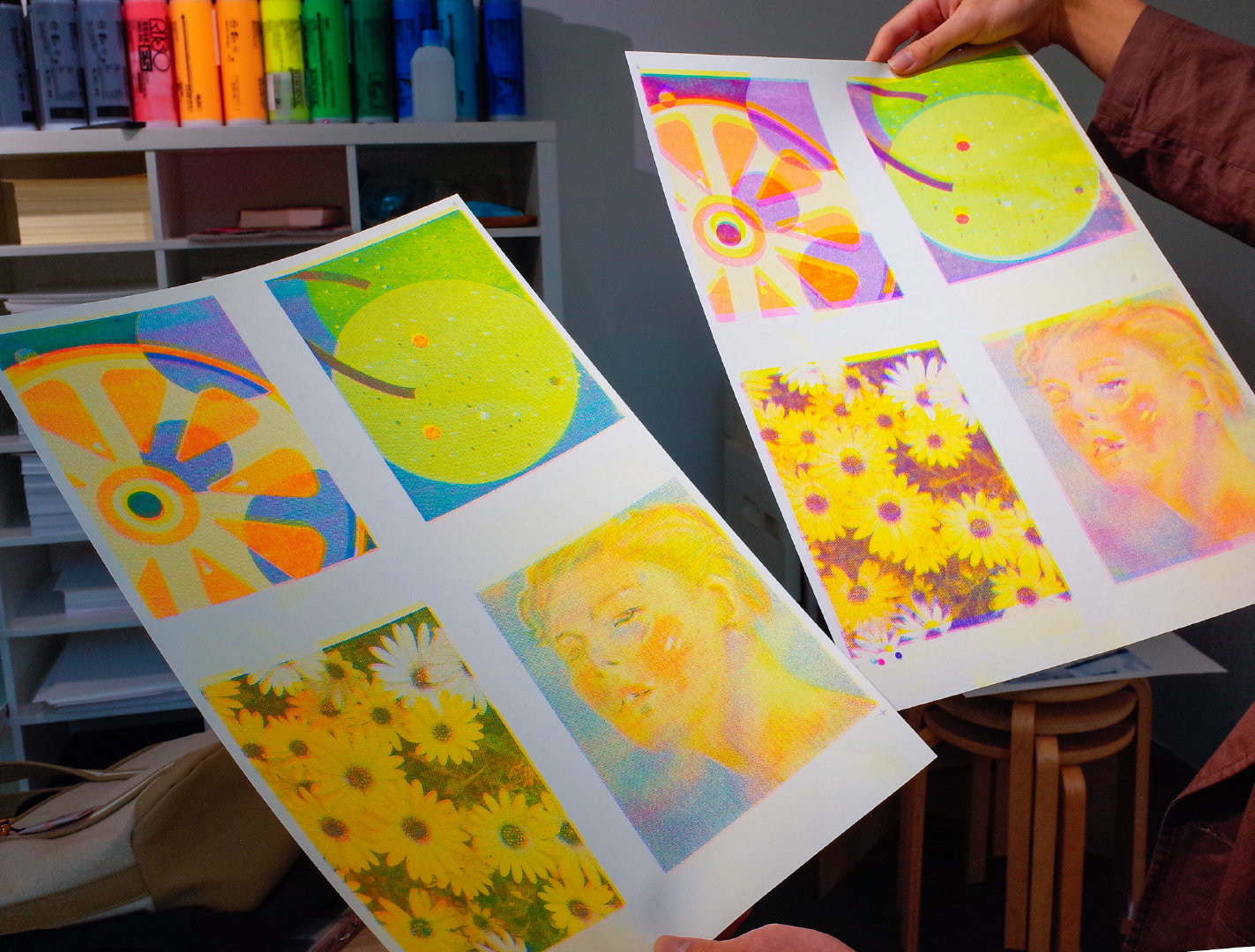
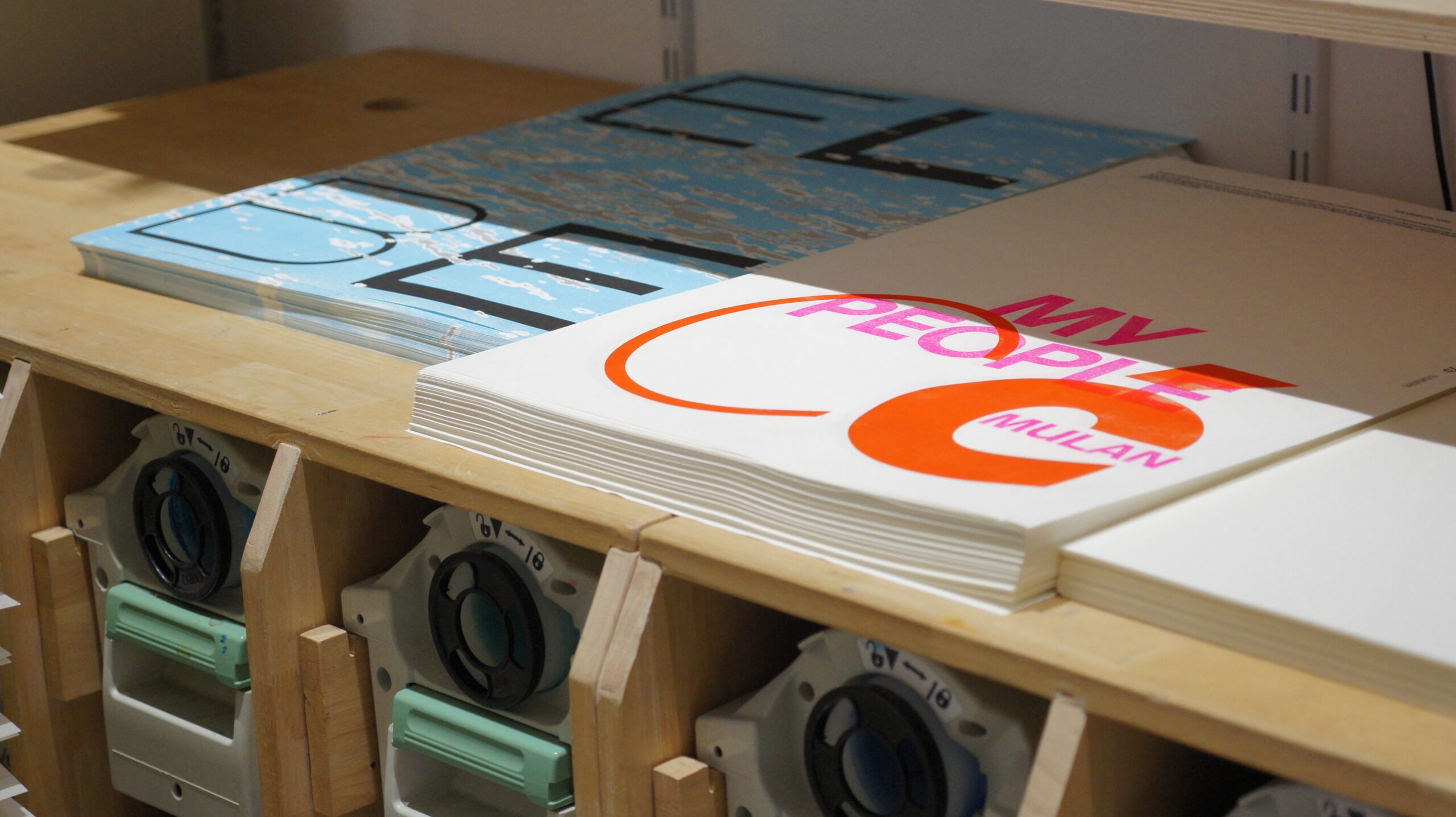
Pausebread Press 加餐面包印社成立于上海,是中国大陆最早系统实践 Risograph 孔版印刷与独立出版的工作室。2011 年,在 Zine、艺术家书和小型独立出版在中国尚未形成今天这样广泛的创作生态时,加餐面包已经开始使用 Risograph,为摄影师、插画师、平面设计师、艺术家、独立出版人、艺术院校及文化机构提供小批量、具有实验性质的印刷与出版支持。
“加餐面包”这个名字,也来自一种非常朴素的出版想象。工作室创立之初曾这样解释:一片面包放进烤箱,很快便能成为一份简单、随意、自己动手完成的下午茶——这种轻松、个人化和不需要复杂门槛的状态,与 Zine 的精神很接近。
出版不一定意味着进入传统出版社和大规模印刷体系,一个人拥有一个想法,也可以自己设计、自己印刷、自己装订,并最终把它交到另一个人的手中。因此,加餐面包从一开始关心的就不只是“如何把东西印出来”,而是如何帮助一个想法逐渐成为一本书、一张海报或一件可以被阅读和传播的印刷作品。从构想、设计、排版、印刷、装订直至传播,创作者都可以参与其中。
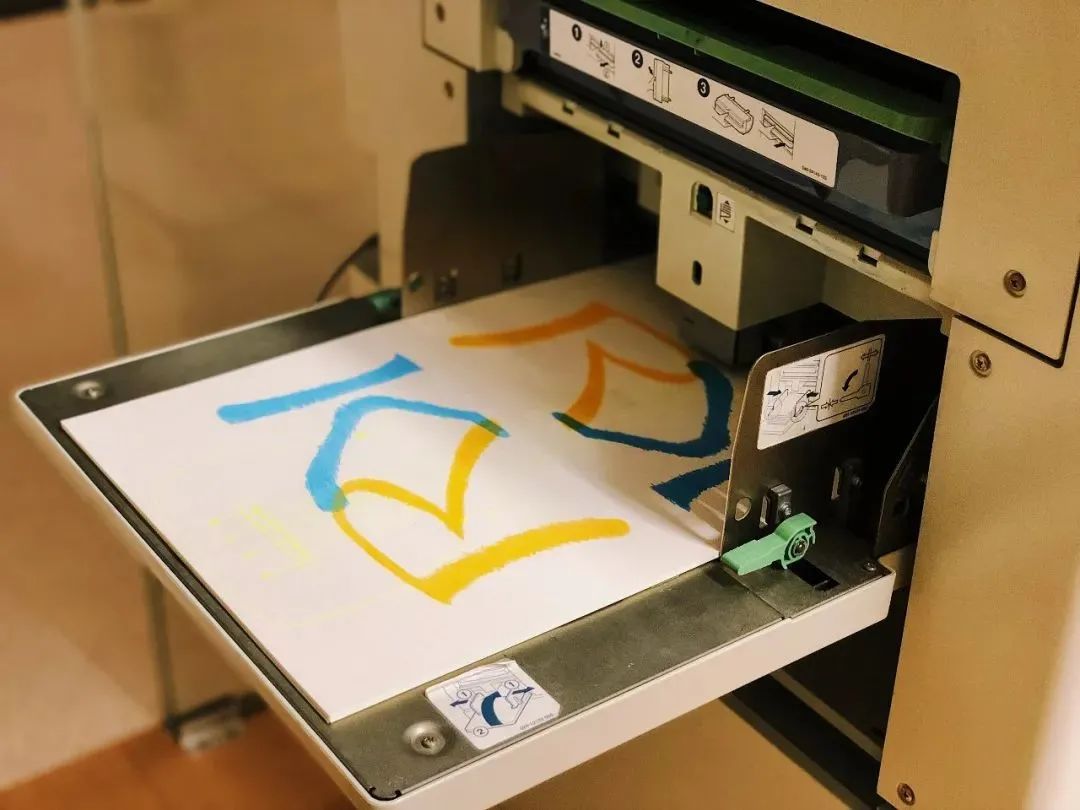
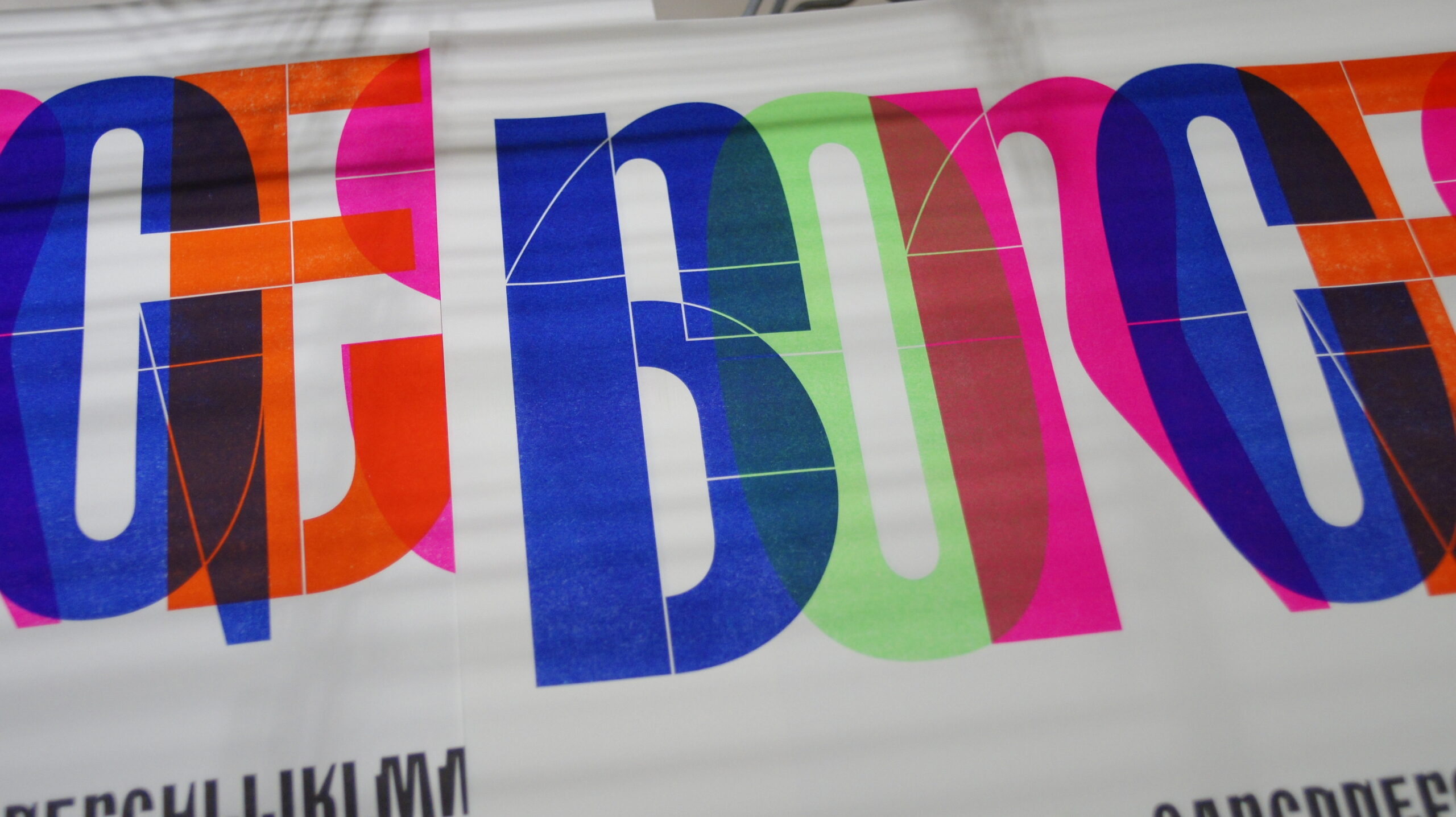
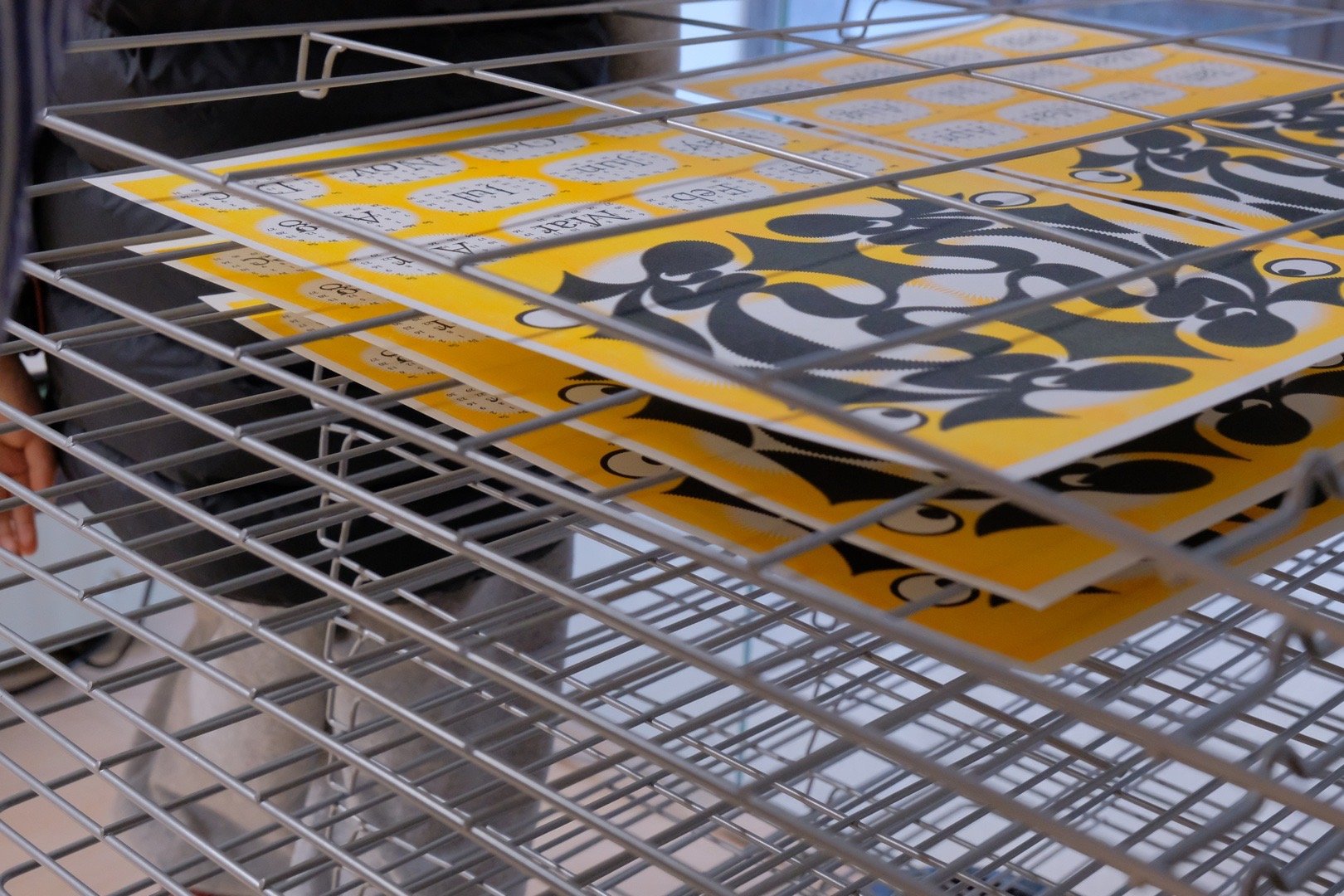
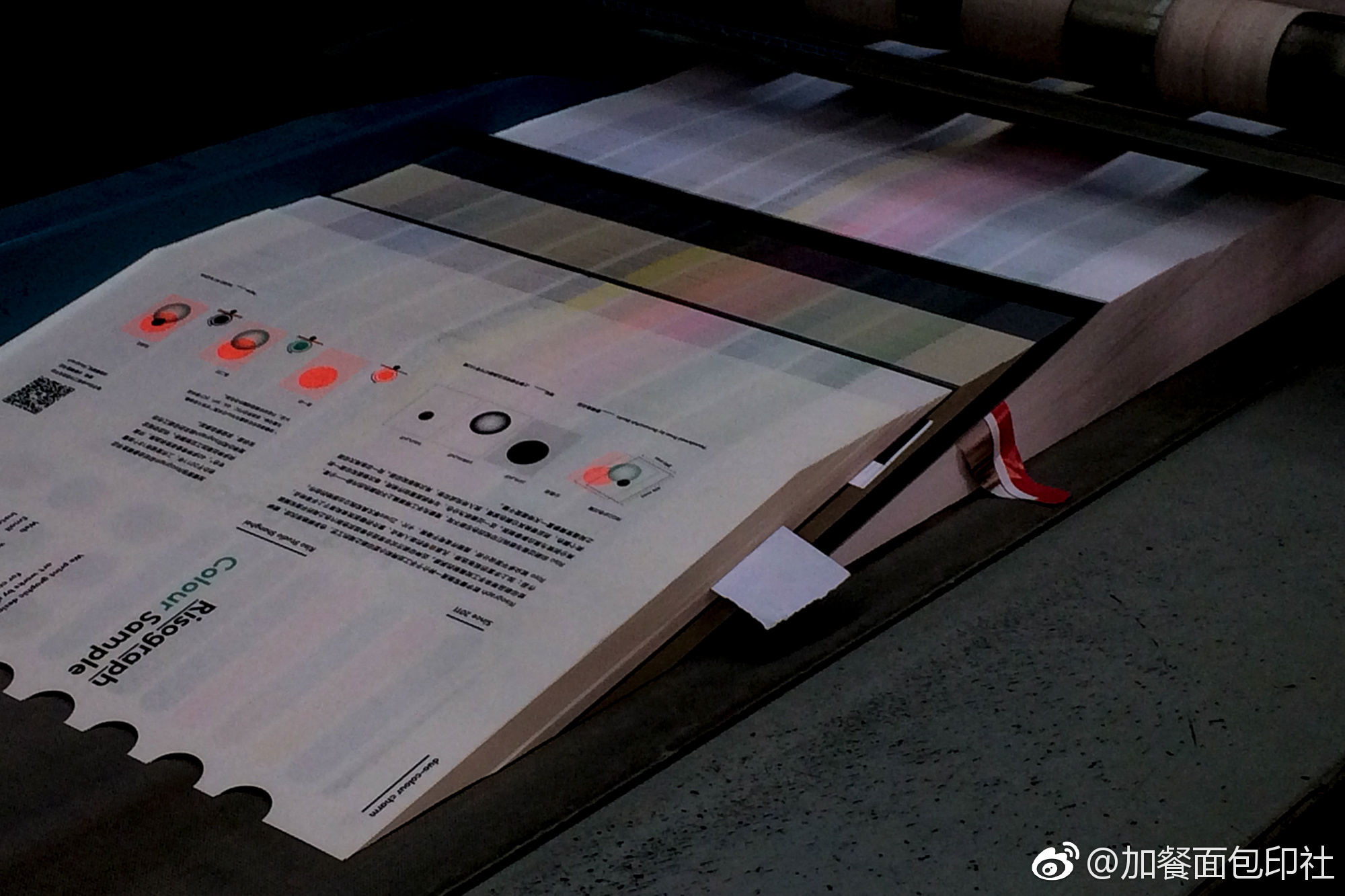
Risograph 也因此成为加餐面包最重要的创作媒介。Riso 原本是一种高速孔版印刷技术,但在艺术出版领域,它的专色油墨、半透明叠色、纸张吸墨形成的质感,以及套印过程中不可完全消除的细微错位,使每一次印刷都保留着机器、纸张和人的痕迹。
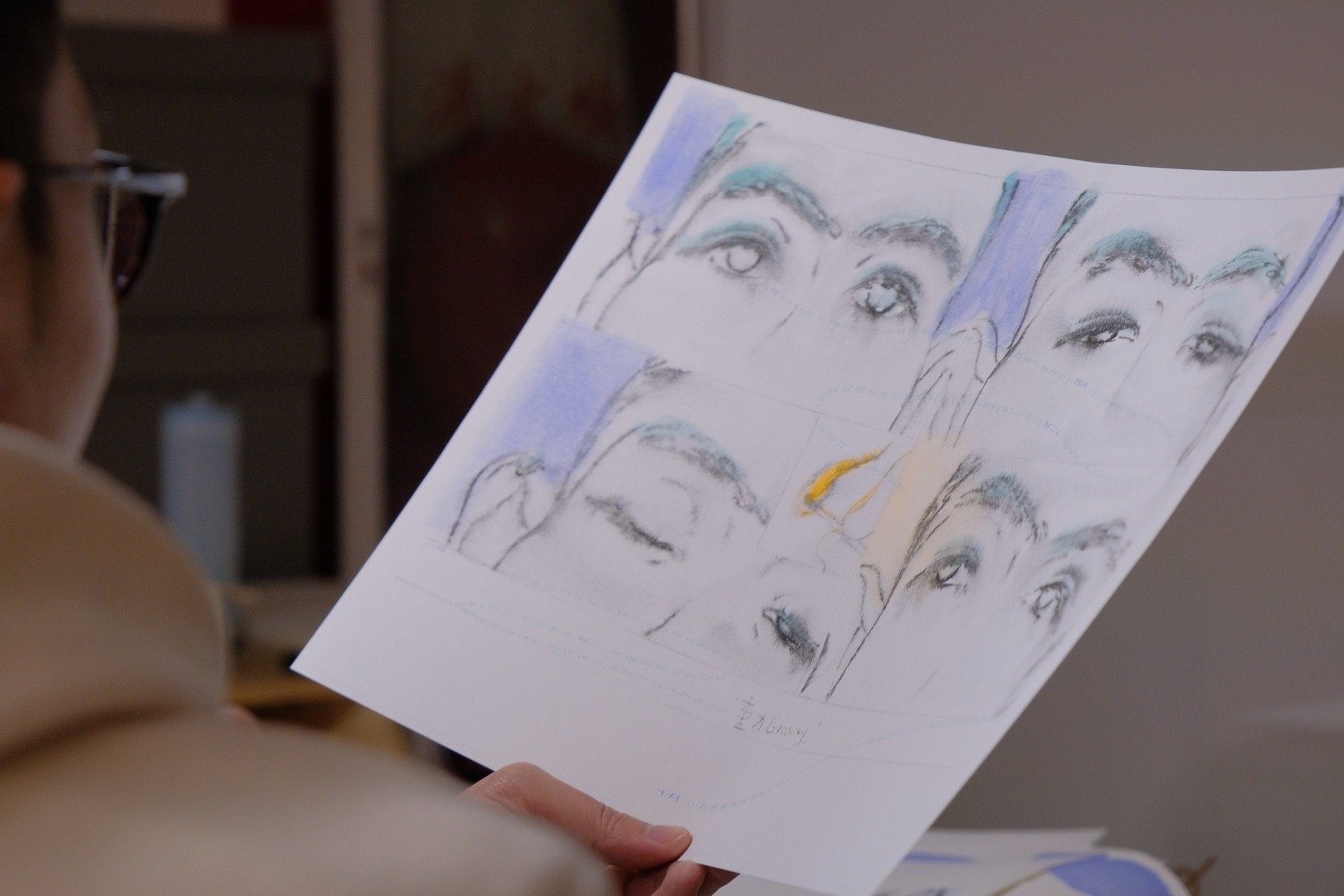
对于加餐面包而言,这些“不完全精准”并不是需要被消除的印刷缺陷,而恰恰构成了作品的视觉语言。插画、摄影、字体、海报、Zine 和艺术家书都可以因为重新分色、叠印和选择纸张而获得与普通数码印刷完全不同的结果。
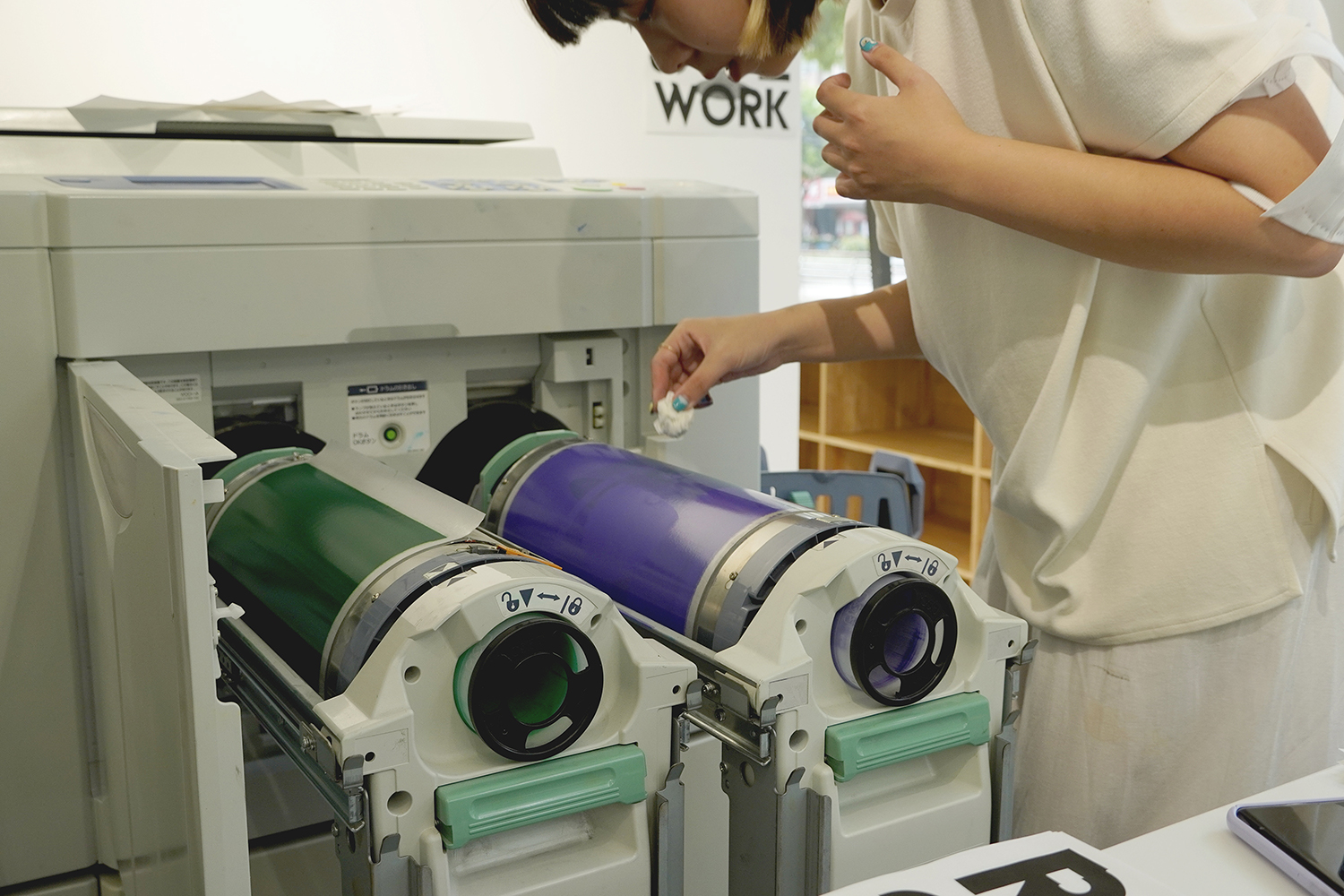
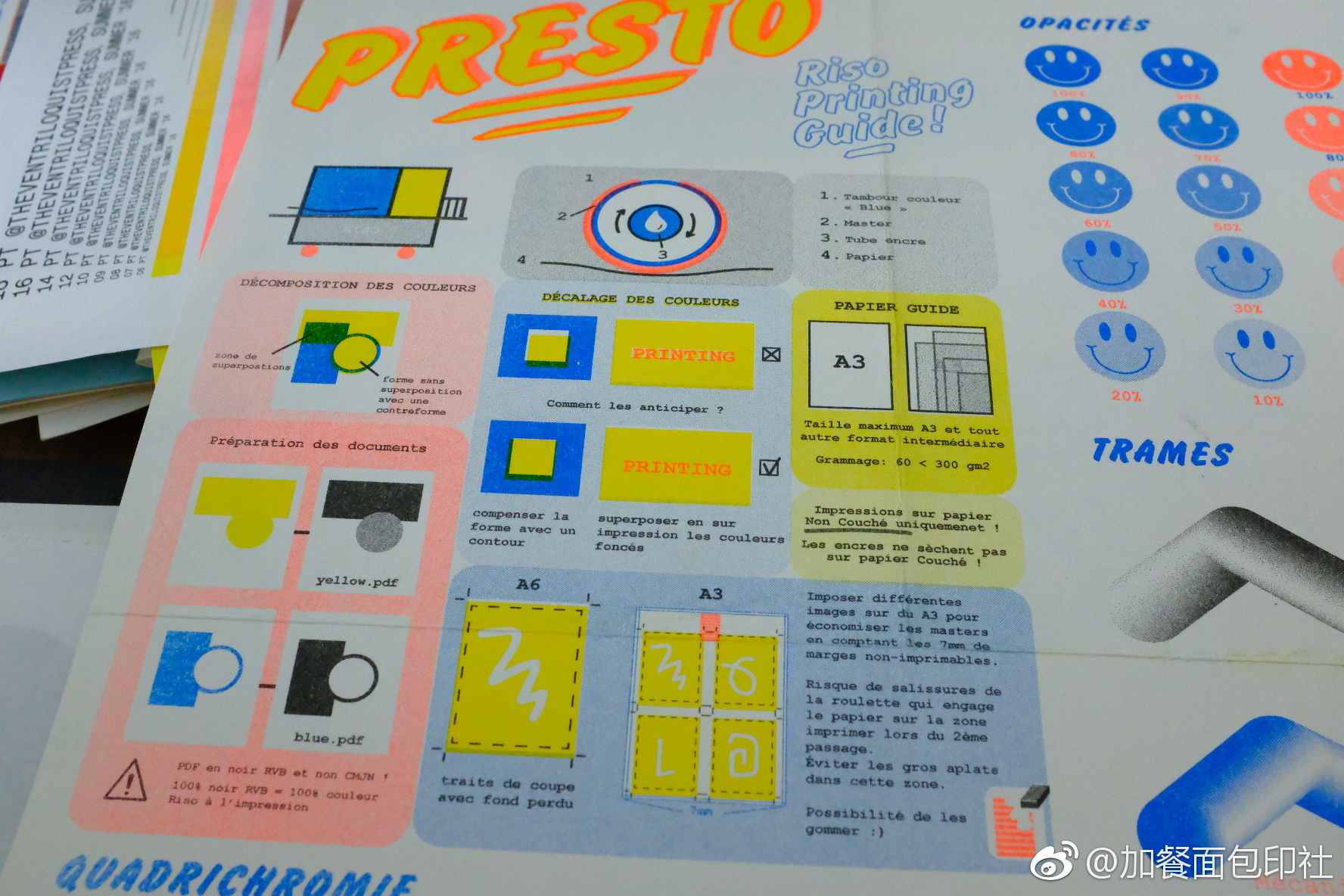
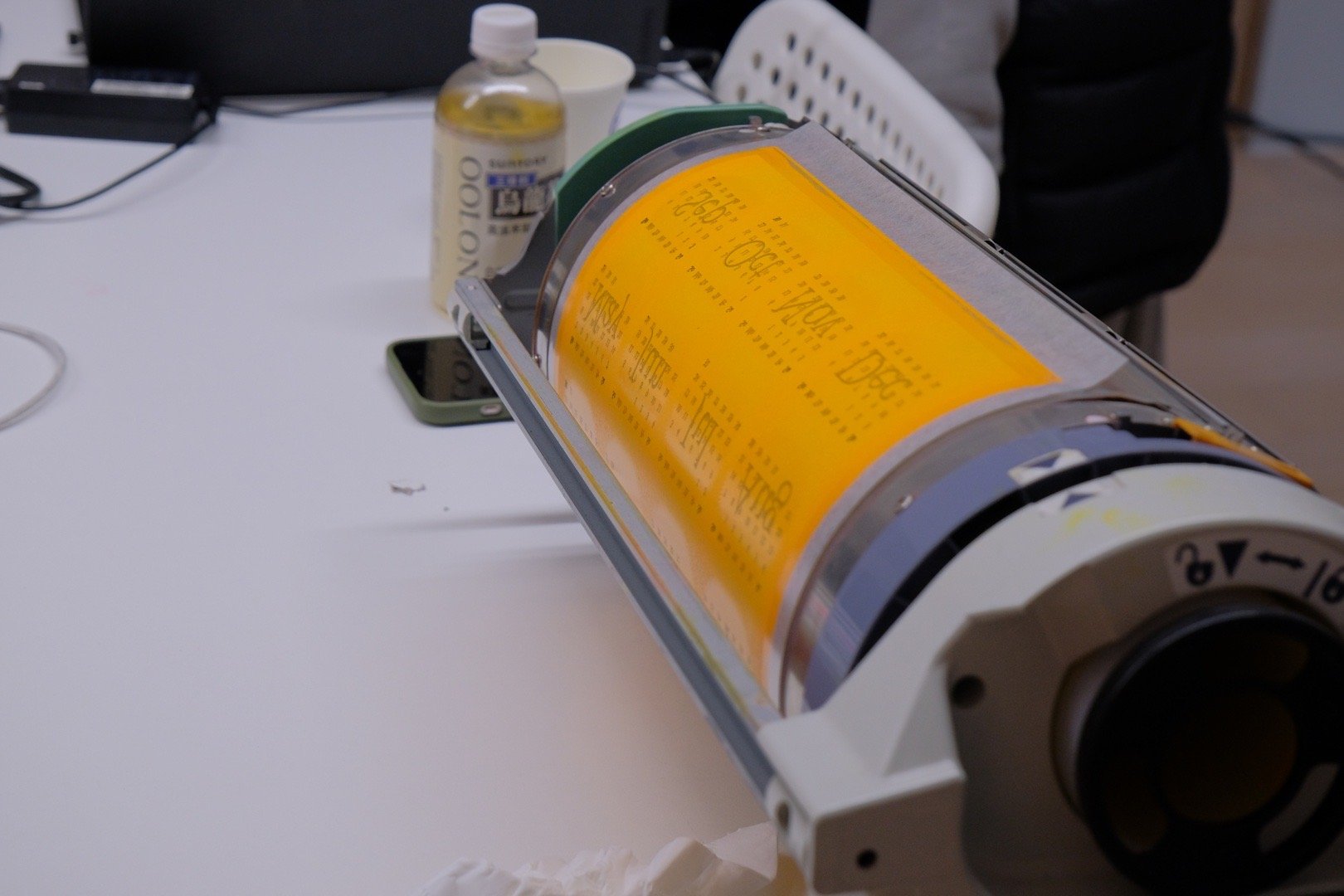
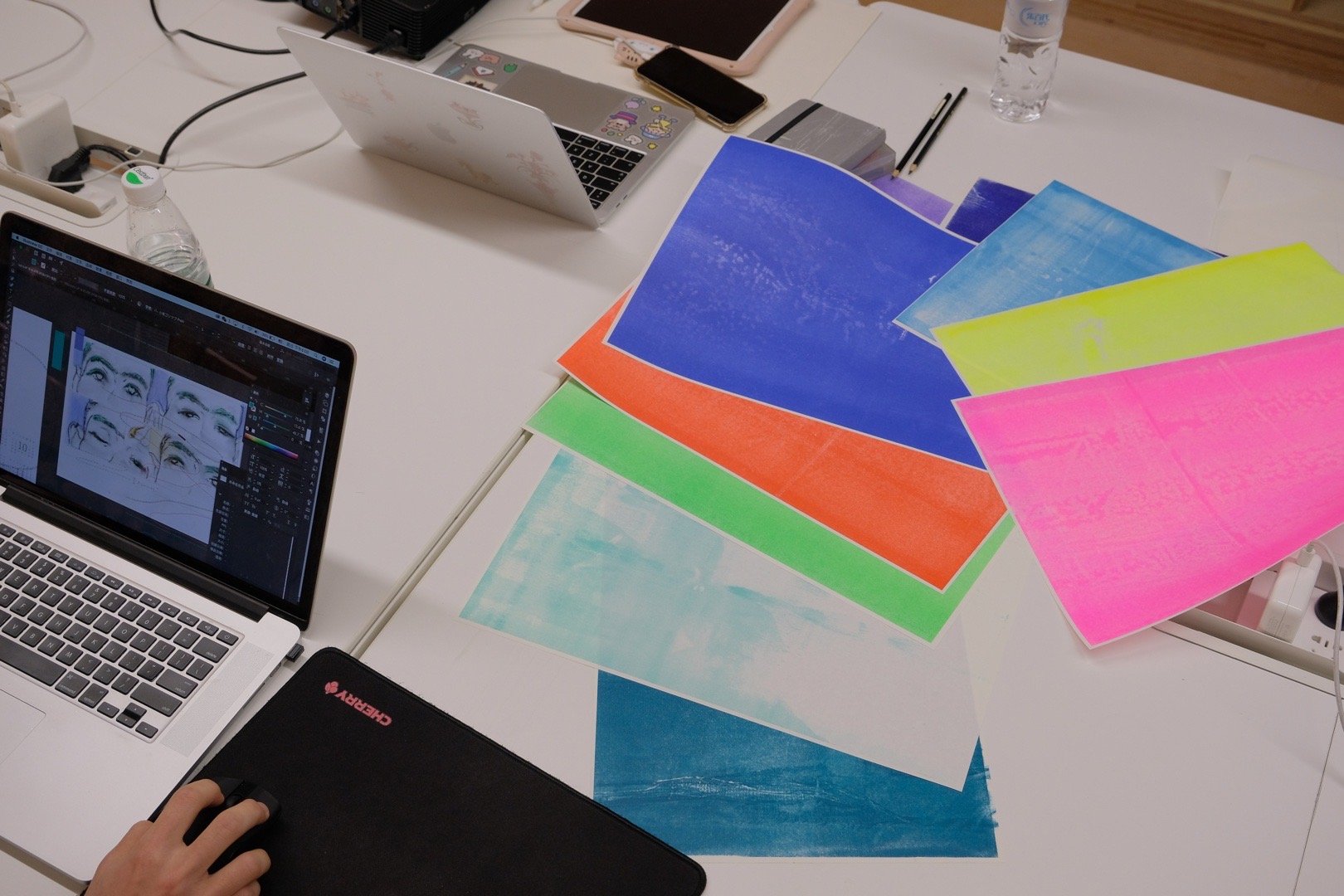
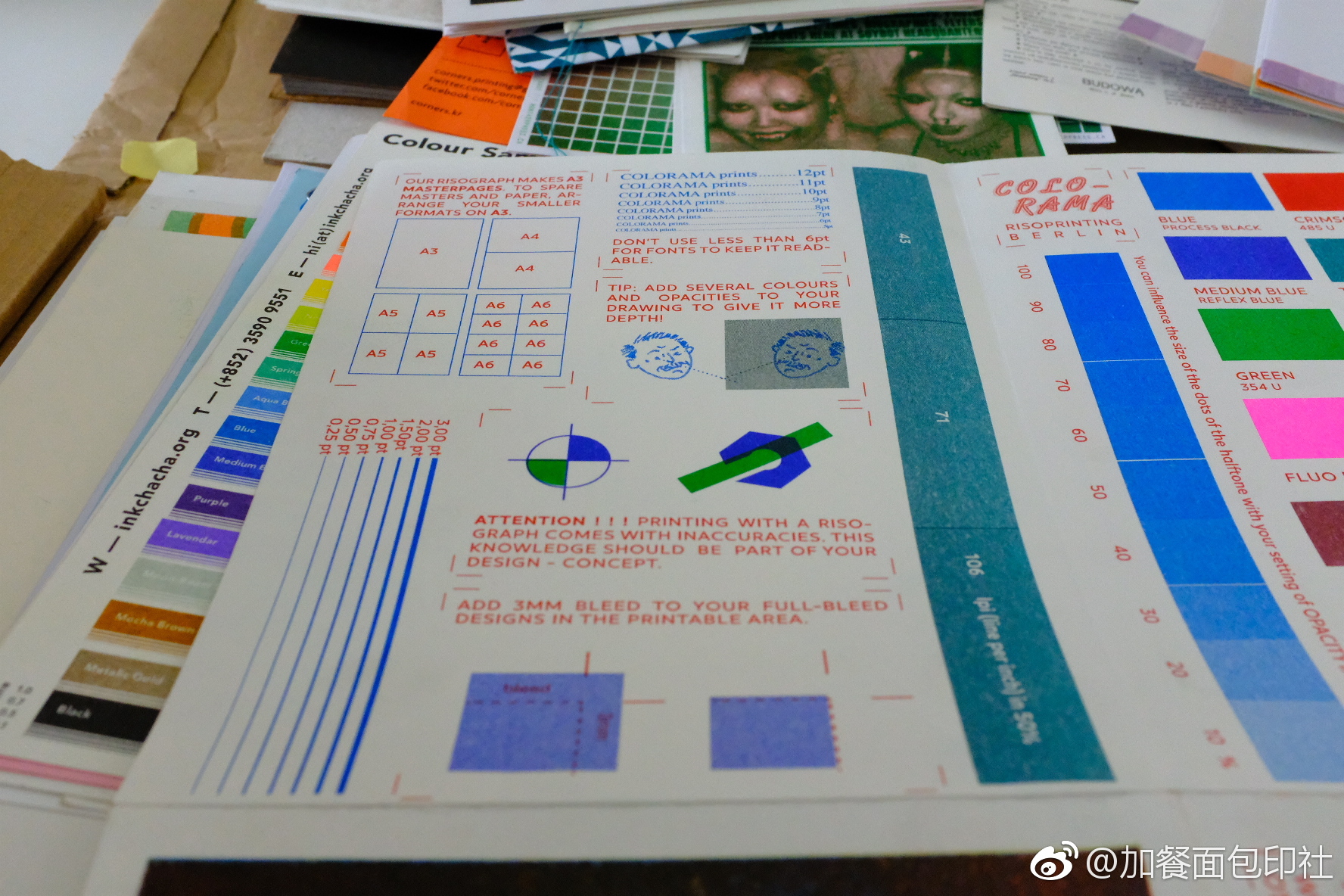
2011 年工作室 Riso 色彩只有蓝、绿、红、黑、棕五种;随着长期实践,设备增加到两台,至 2018 年时已有约二十种颜色可供组合和实验。2020 年,加餐面包印社引进了 A2 Risograph,成为目前国内唯一配备 A2 印刷尺寸的 Risograph 工作室。
随着实践不断展开,加餐面包逐渐从单一的 Risograph 印刷工作室发展为一个更综合的印刷与出版实验平台。除了 Riso 孔版印刷,还陆续使用 GOCCOPRO 数字丝网制版、手工丝网印刷、ComColor 数码印刷以及不同的书籍装订方式。
工作室所做的不只是承接印刷委托,也会根据创作者的作品讨论尺寸、颜色、纸张、分色方法、装订结构和印量,让“制作”成为作品形成过程的一部分。
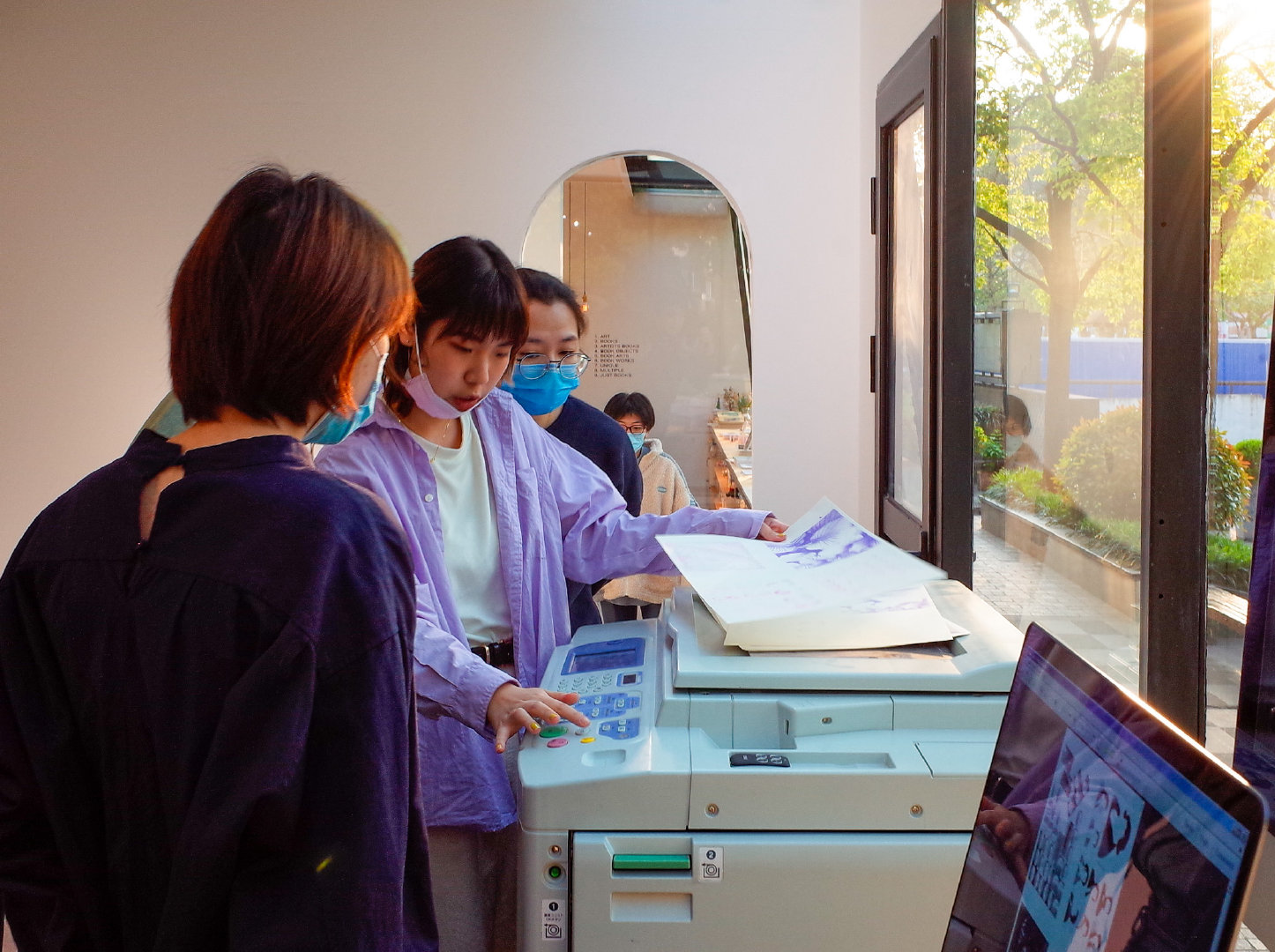
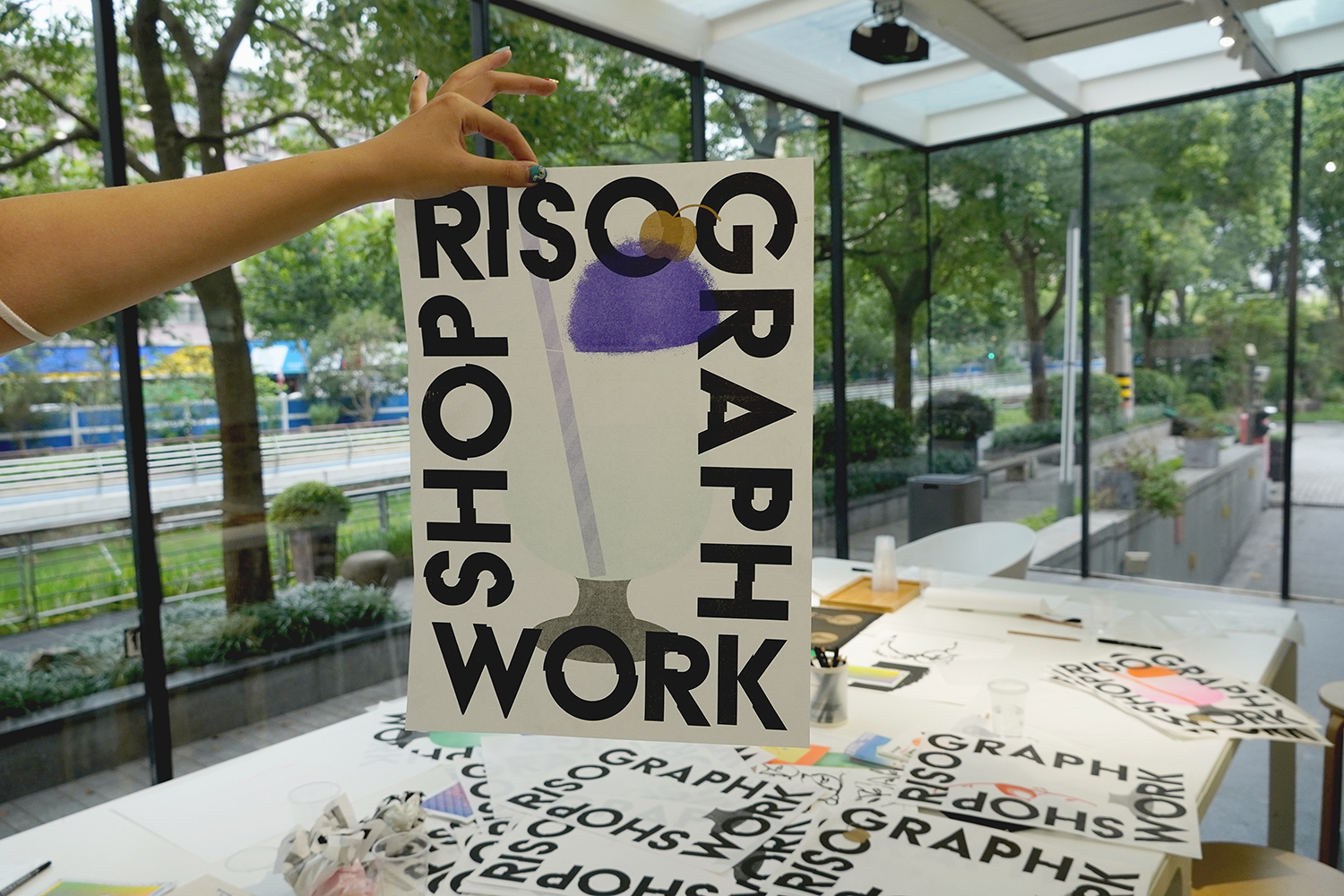
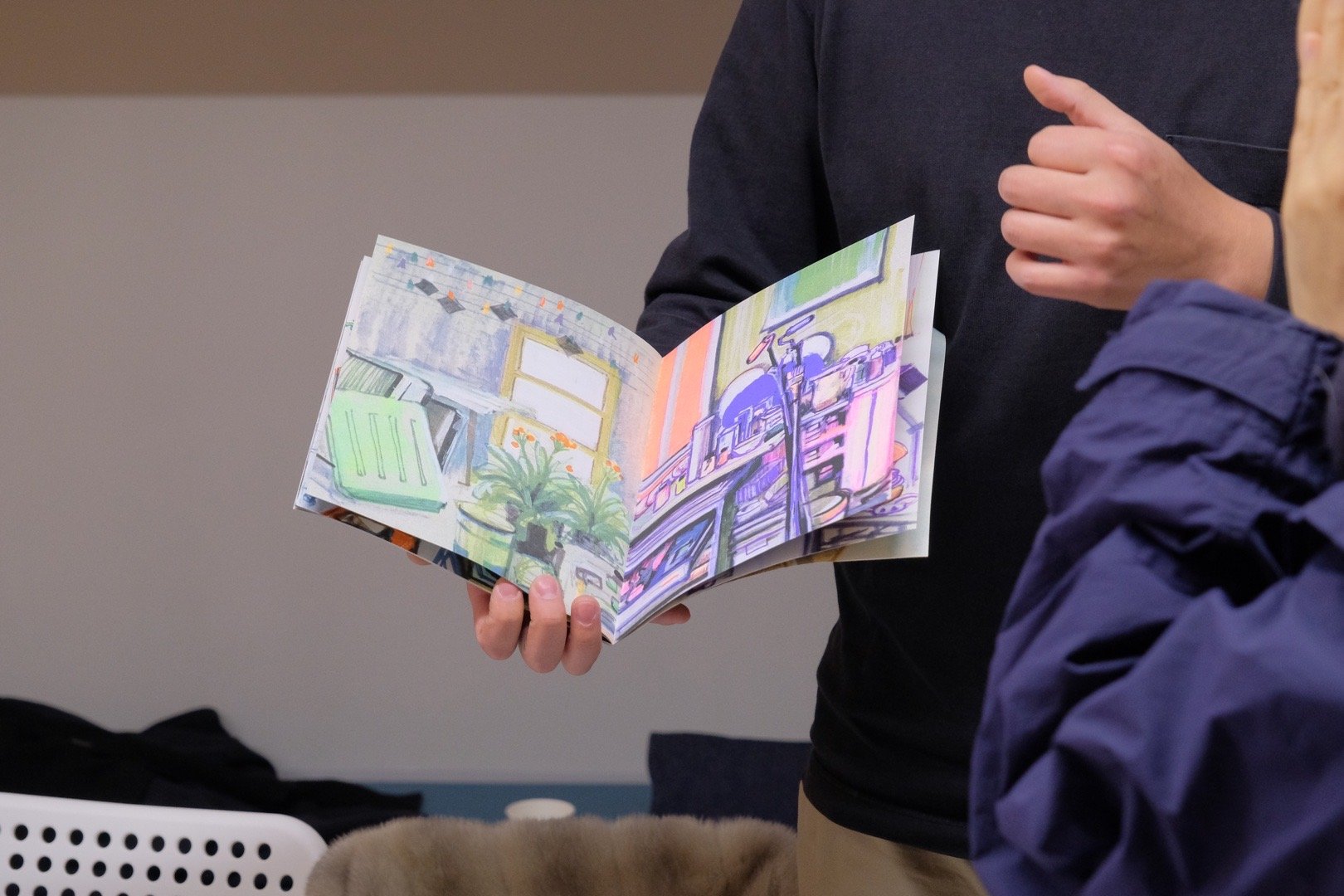
这种观念也逐渐发展出一系列持续性的项目,包括香蕉鱼豆本、周五印刷培训之夜、周末主题工作坊、Risobook 艺术家驻地计划等。工作室把机器打开给更多人,让从未接触过专业印刷的人亲自经历分色、制版、套印、装订以及一本小型出版物形成的全过程。
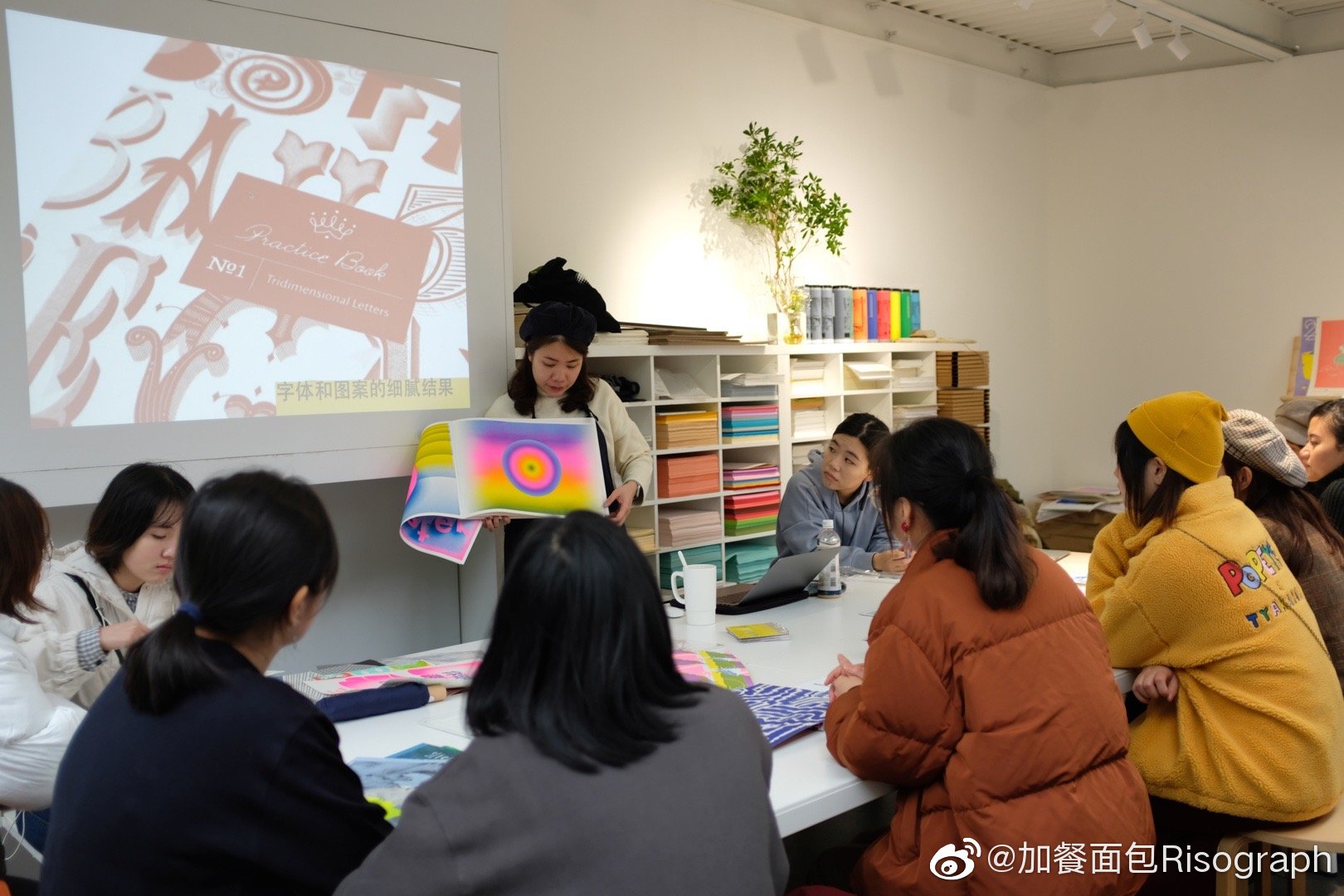
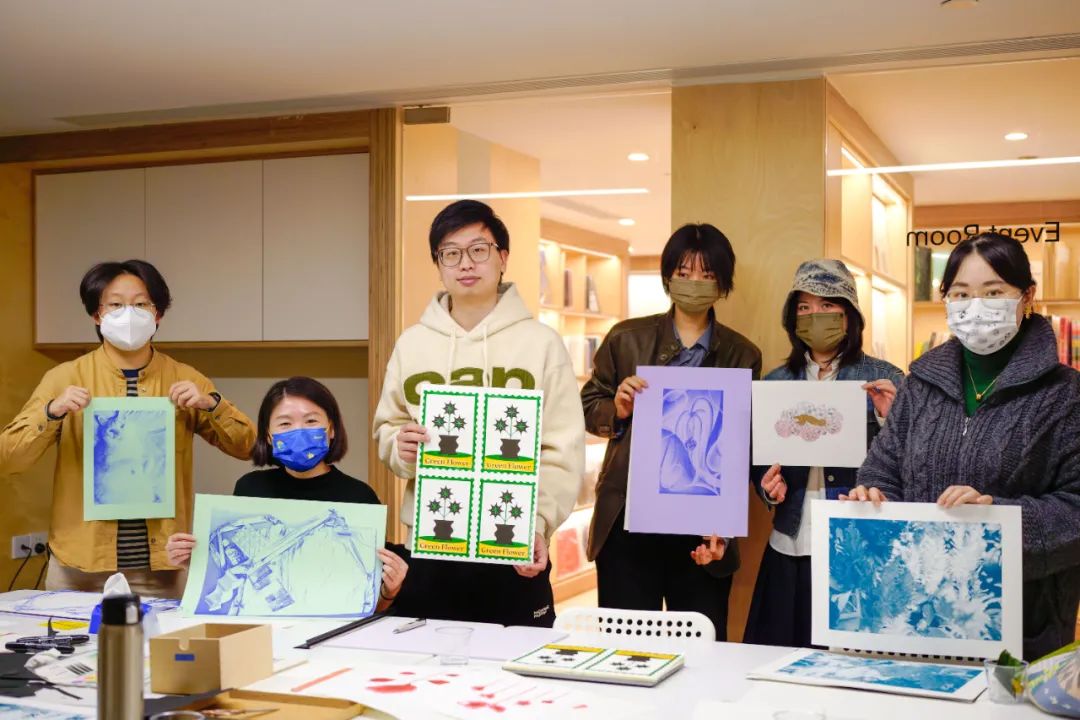
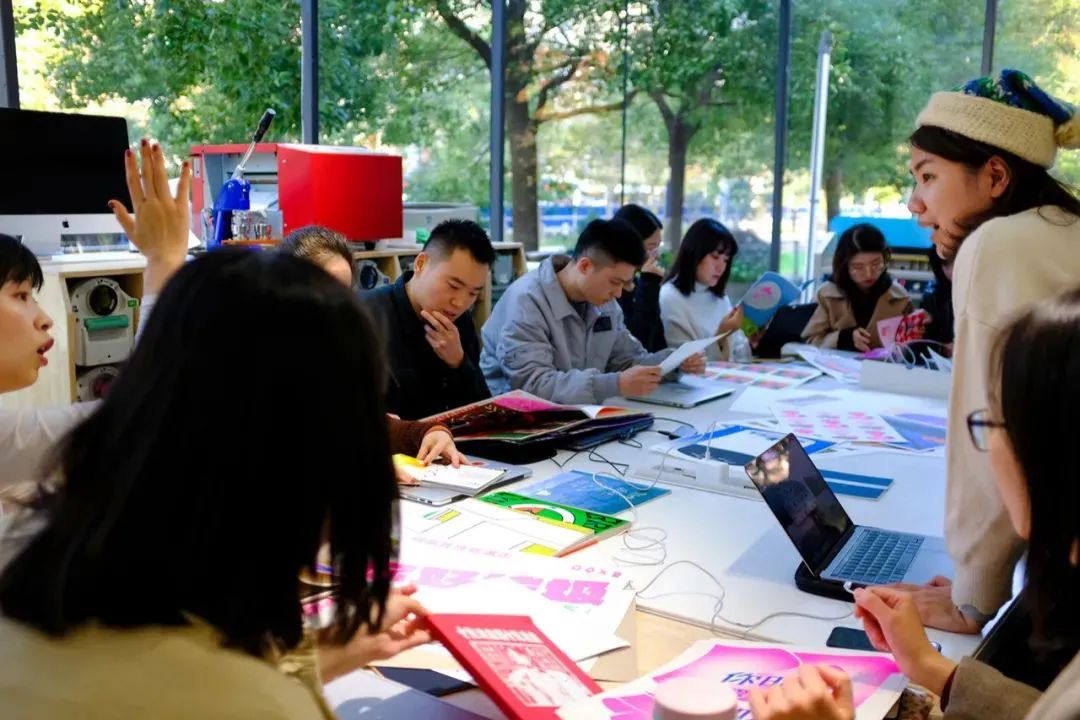
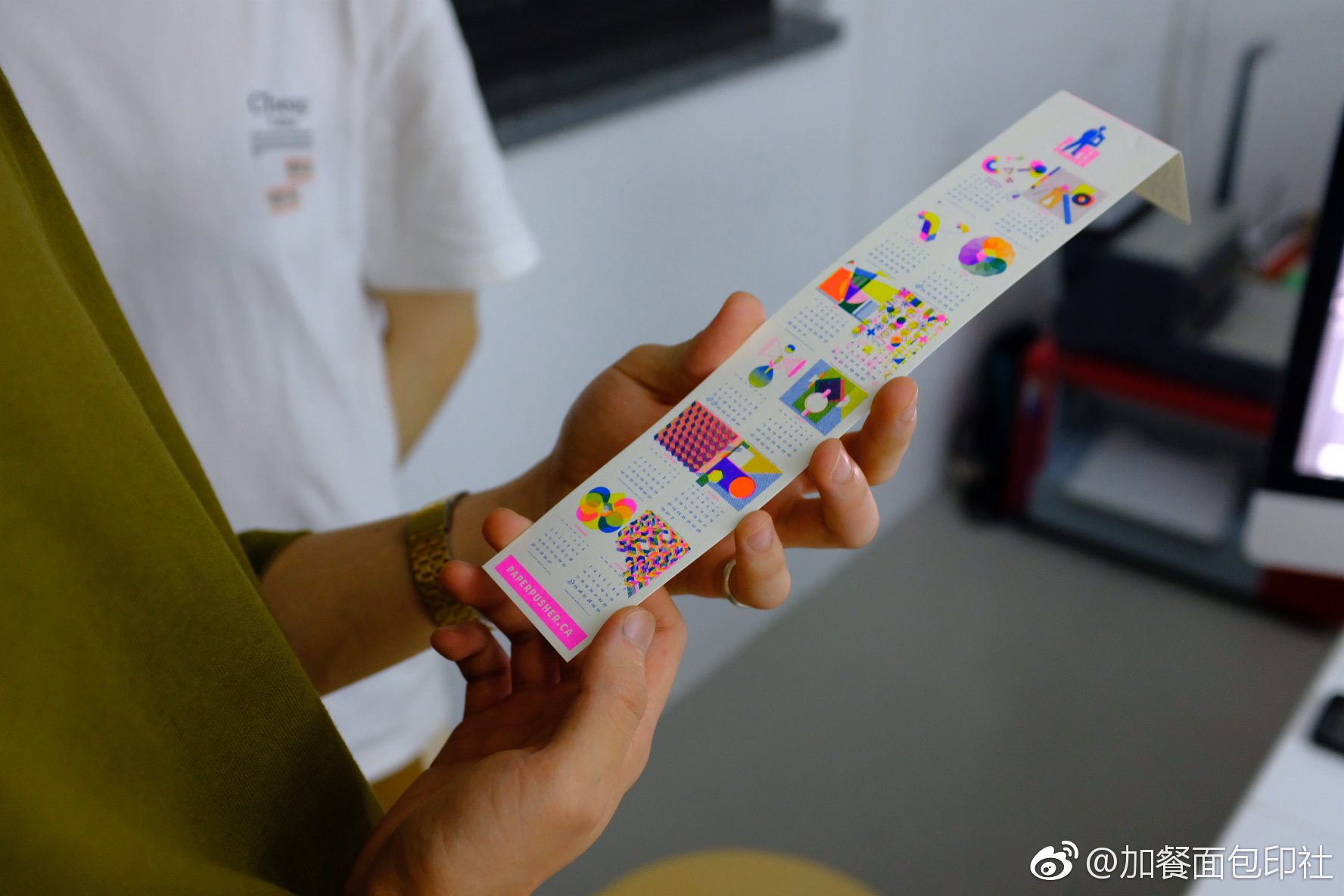
对于设计及艺术专业学生而言,印刷不再只是作品完成之后的“输出环节”,而成为理解颜色、图像、纸张、复制和出版的重要方法。近年来加餐面包仍持续开展 Riso 零基础课程与版画工作坊,为来全国各地来到上海参观印社的艺术设计院校的师生开展集中 Riso 课程,并持续举办多色套印年历、版画等公众工作坊。
READ MORE
加餐面包也长期处在中国独立出版文化发展的现场。它与 Bananafish Books 香蕉鱼书店的出版、书店、展览和 Zine 项目共同成长,使书籍的“内容—设计—生产—展示—销售—交流”形成了一条可以被创作者直接参与的链条。
印社主理人关暐和苏菲,在一次中国美术学院在相关讲座介绍中,将这种从 Zine、艺术家书、工作坊到艺术书展的实践理解为一种「平等的工作方式」:艺术家、设计师、印刷者、出版者与读者之间不再有严格的上下游关系,而通过一本书或一次印刷共同参与作品的形成。
2018 年,由加餐面包组织策划的 Asia Risograph Conference 亚洲 Risograph 研讨会(ARC2018)进一步把这种实践扩展到亚洲范围。
来自上海、北京、广州、香港、首尔等城市的 Riso 工作室和创作者聚集在第一届 UNFOLD 上海艺术书展,讨论的并不只是印刷效果,而包括如何独立运营一家 Riso Studio、机器与油墨的选择、分色方法、设备维护、工作坊设计、出版项目,以及一间微型文化工作室如何长期生存。
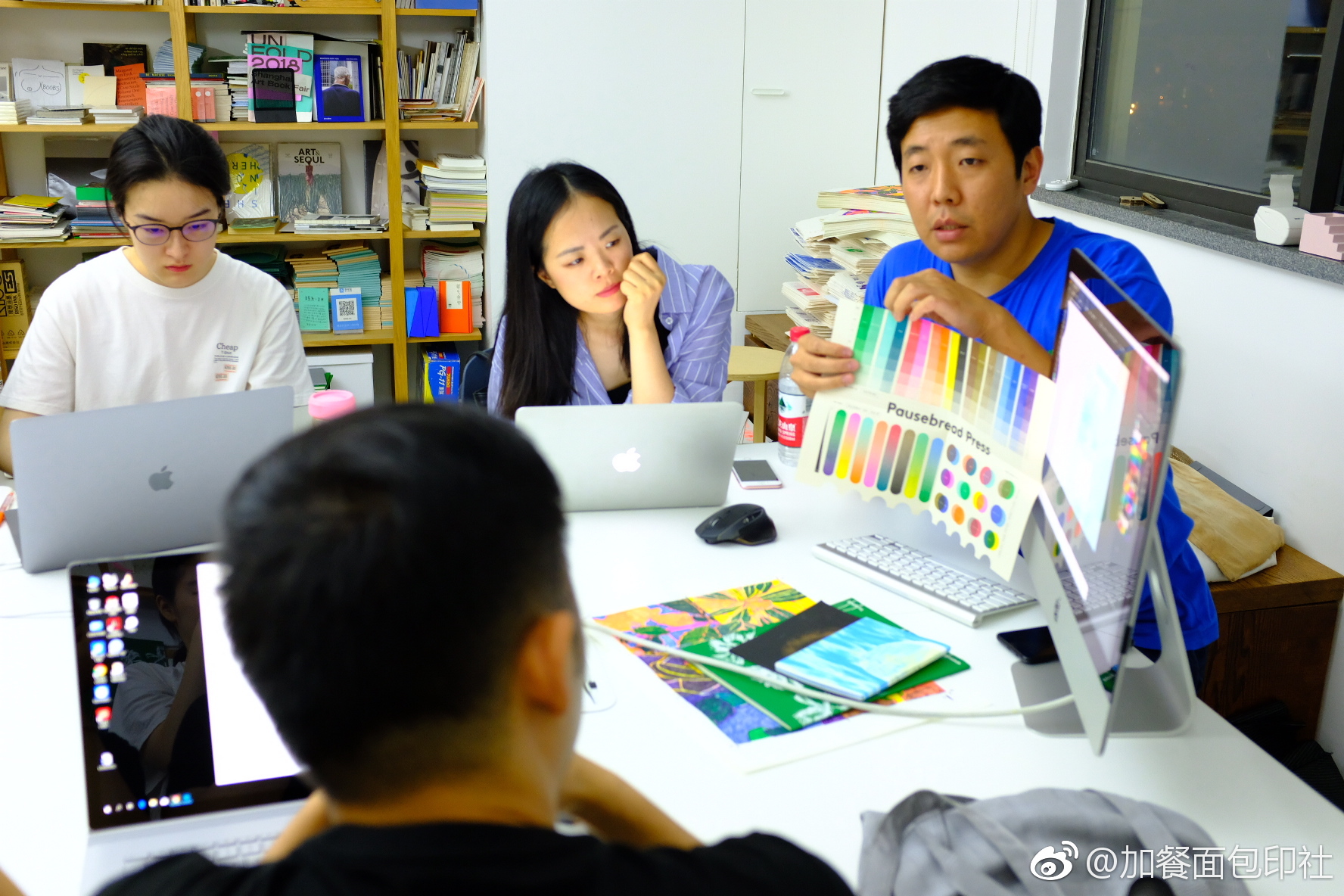
当时现场还呈现了由柏林 We Make It 发起、集合全球一百多家 Riso 工作室色卡的 Colors Unite! 项目,使上海与正在形成的国际 Risograph 网络发生直接联系。
从今天回看,加餐面包的意义并不只在于较早把 Risograph 作为一种专业印刷方式带入中国独立出版现场,更在于它长期坚持着一种很简单的观念:印刷不是创作结束后的复制,而可以是创作本身。
一张纸如何折叠,一种颜色如何覆盖另一种颜色,一张图像如何被重新分成几个色层,一本只有几十册的小书如何被制作出来——这些看似细小的决定,都能够改变作品最终被观看、触摸和阅读的方式。
从 Riso 到丝网,从一本 Zine 到一个工作坊,从帮助一个年轻人完成第一本自己的书,到连接不同城市的独立印刷工作室,Pausebread Press 希望让更多人发现:出版并不遥远,印刷也并不只是工业生产。它可以是一种个人表达的方法、一种学习设计的方式,也可以成为人与人发生连接的媒介。
尽管近些年大环境的改变,加餐面包的运营也随之有了结构上的调整和方向上的倾斜。相比早期以商业印刷委托、独立出版项目和小批量制作服务为主要工作内容,过去两年里,加餐面包的商业订单有所减少,也开始主动将更多时间和资源投入到教学、研究与院校合作之中。
这种变化并非单纯缩减业务,而更像是工作重心的一次重新分配。随着十余年来对 Risograph 印刷、分色方法、纸张应用、装订与独立出版流程的不断积累,加餐面包逐渐意识到,这些经验本身也可以成为一种可以被传递、讨论和共同发展的知识。
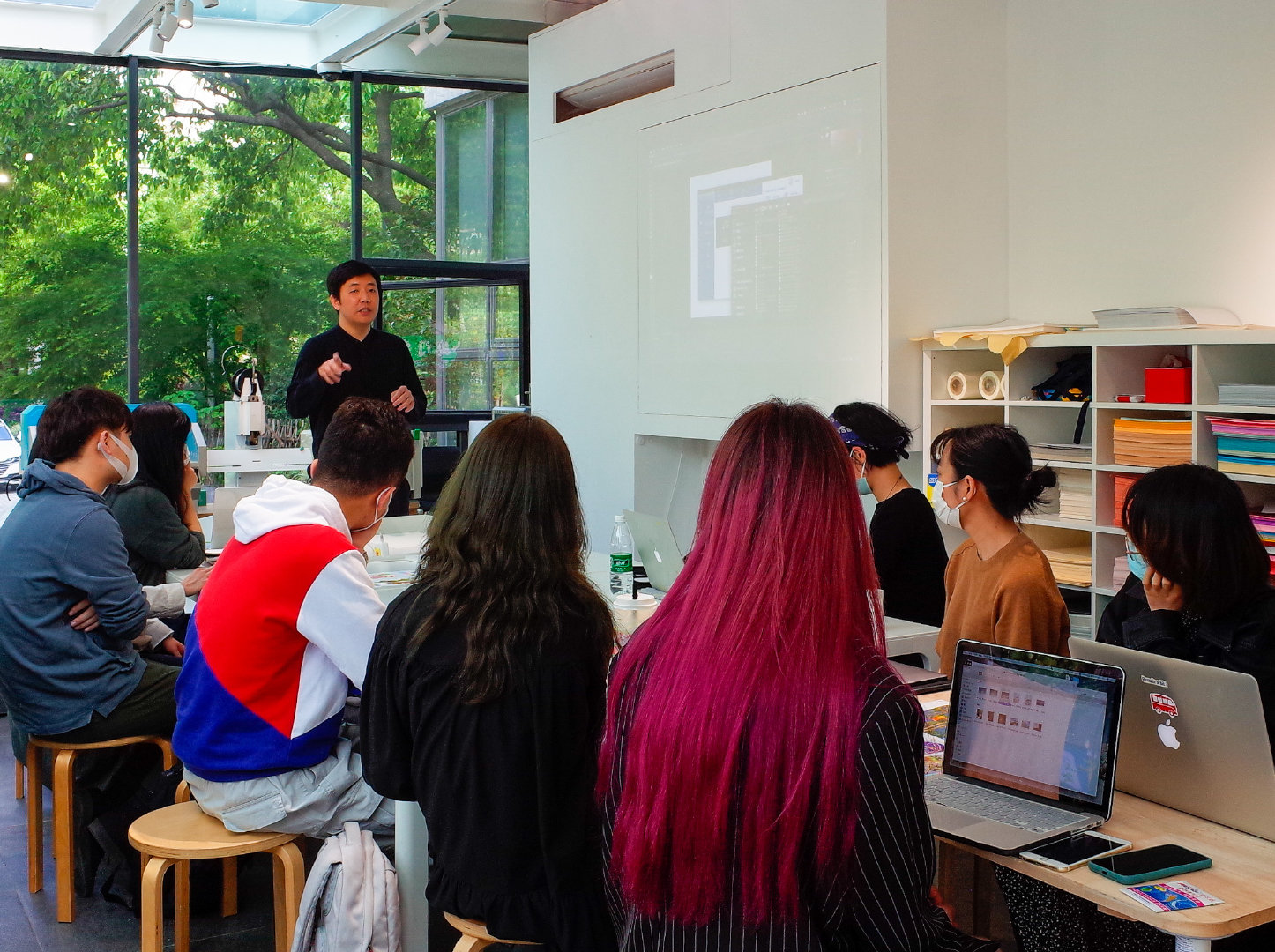
近年来,我们陆续与中国美术学院、上海视觉艺术学院、同济大学设计创意学院等院校展开更深入的合作,将 Risograph 从一次性的工作坊和技术体验,进一步嵌入设计与艺术教学之中。
合作的形式也逐渐从单纯的课程讲授,发展到共同讨论和建设院校内部的 RISO Lab。在这一过程中,加餐面包不仅提供机器操作和印刷技术方面的经验,也参与实验室的使用逻辑、课程方法、色彩与材料体系、学生项目以及日常运营方式的讨论。
我们希望 RISO Lab 并不只是一个摆放印刷设备的空间,而能够成为学生反复实验、制作出版物、理解印刷语言,并通过实际生产重新认识设计过程的开放型工作场所。
对于加餐面包而言,这也是十多年实践之后一个自然发生的变化:从最初“帮助创作者把一本书印出来”,逐渐走向“帮助更多年轻创作者理解一本书是如何被做出来的”;从提供印刷服务,走向分享方法、建立课程,并与学校共同搭建可以持续发生创作的基础设施。
与此同时,我们仍然保留与艺术家、设计师和独立出版人的小型合作,以及 Risograph 工作坊、出版实验和特别项目。只是相比追求订单数量,加餐面包如今更希望选择那些能够产生长期关系、知识交换和新的实践可能的合作。
这种调整也让我们重新思考,一家小型独立印刷工作室在今天还能扮演什么角色。印刷始终不仅是一项制作服务,它也可以是一种关于图像、纸张、颜色、复制与出版的学习方法,一种设计教育的入口,也是一种让创作者、学生、教师和不同机构发生连接的媒介。
从商业印刷工作室,到出版实验平台,再到逐渐参与院校 RISO Lab 的共同建设,加餐面包并没有离开最初对于“自己动手制作一本东西”的兴趣,只是把这种经验分享给了更多人。
我们希望在更轻量、更长期的运营方式中,让这些关于印刷与出版的知识继续被使用、被更新,也让下一代创作者能够在真实的制作过程中形成属于自己的方法。
Pausebread Press was founded in Shanghai in 2011 and is the earliest studios in mainland China to systematically explore Risograph printing and independent publishing. At a time when zines, artists’ books and small-scale self-publishing were still relatively unfamiliar practices in China, Pausebread was already using Riso as a production and creative tool, supporting photographers, illustrators, graphic designers, artists, independent publishers, art schools and cultural institutions with short-run, experimental print and publishing projects.
The name “Pausebread” came from a simple idea about publishing. In the studio’s early days, we described it like this: a slice of bread goes into the toaster and, within minutes, becomes an easy, homemade afternoon snack. That sense of immediacy, informality and making something with your own hands felt close to the spirit of zine culture.
Publishing does not have to begin with a publishing house or depend on large-scale industrial production. An individual with an idea can design it, print it, bind it and eventually place it directly into someone else’s hands. From the beginning, Pausebread was therefore interested in more than simply “getting something printed”. We wanted to help an idea take physical form—as a book, poster, print or other object that could be held, read, circulated and shared.
Concept development, design, layout, color separation, printing, binding, editioning and distribution can all become part of the creative process.
Risograph naturally became the studio’s central medium. Originally developed as a high-speed stencil duplicating system, Riso has developed a very different identity within contemporary art and independent publishing. Its spot-color inks, translucent layers, distinctive ink-on-paper texture and subtle registration shifts give every print a physical quality that standard digital printing cannot reproduce.
For Pausebread, these imperfections are not defects to be eliminated. They are part of the visual language of the medium.
Illustration, photography, typography, posters, zines and artists’ books can all be transformed through color separation, overprinting, paper selection and the interaction of multiple ink layers. When Pausebread began in 2011, our Riso palette consisted of just five colors: blue, green, red, black and brown. As our practice developed, the studio expanded to two machines and, by 2018, approximately twenty spot colors for printing and experimentation.
In 2020, Pausebread introduced an A2-format Risograph, becoming the only Risograph studio in China currently equipped to print at A2 size.
Over time, Pausebread evolved from a dedicated Riso studio into a broader print and publishing laboratory. Alongside Risograph stencil printing, we introduced GOCCOPRO digital screen-making, hand-pulled screen printing, ComColor digital printing and a range of bookbinding and finishing techniques.
The studio does more than execute print jobs. We work with creators to think through format, paper stock, ink combinations, separations, binding structures, print runs and production methods, treating fabrication not as the final stage of a project, but as part of how the work itself is developed.
This approach has led to a number of ongoing programmes and experiments, including Bananafish Mini Books, Friday Print Training Nights, weekend workshops and the Risobook Artist Residency Programme.
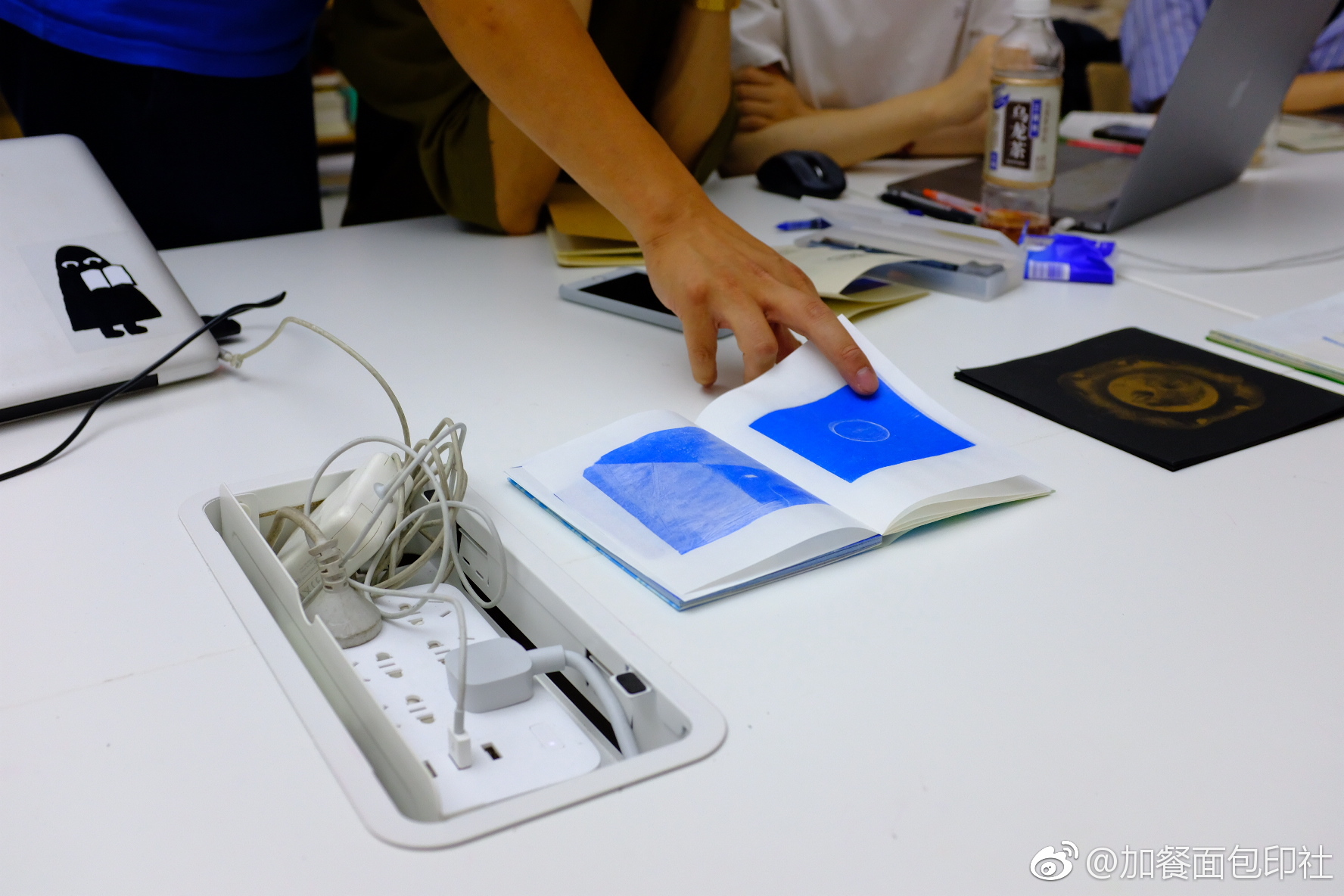
By opening the studio and its machines to a wider public, Pausebread allows people with little or no professional printing experience to move through the entire process themselves—from color separation and master making to registration, overprinting, binding and the completion of a small edition.
For art and design students in particular, printing is no longer simply an “output” stage after a design has been finished. It becomes a way of understanding color, image reproduction, paper, material, sequencing, editioning and publishing through direct physical experience.
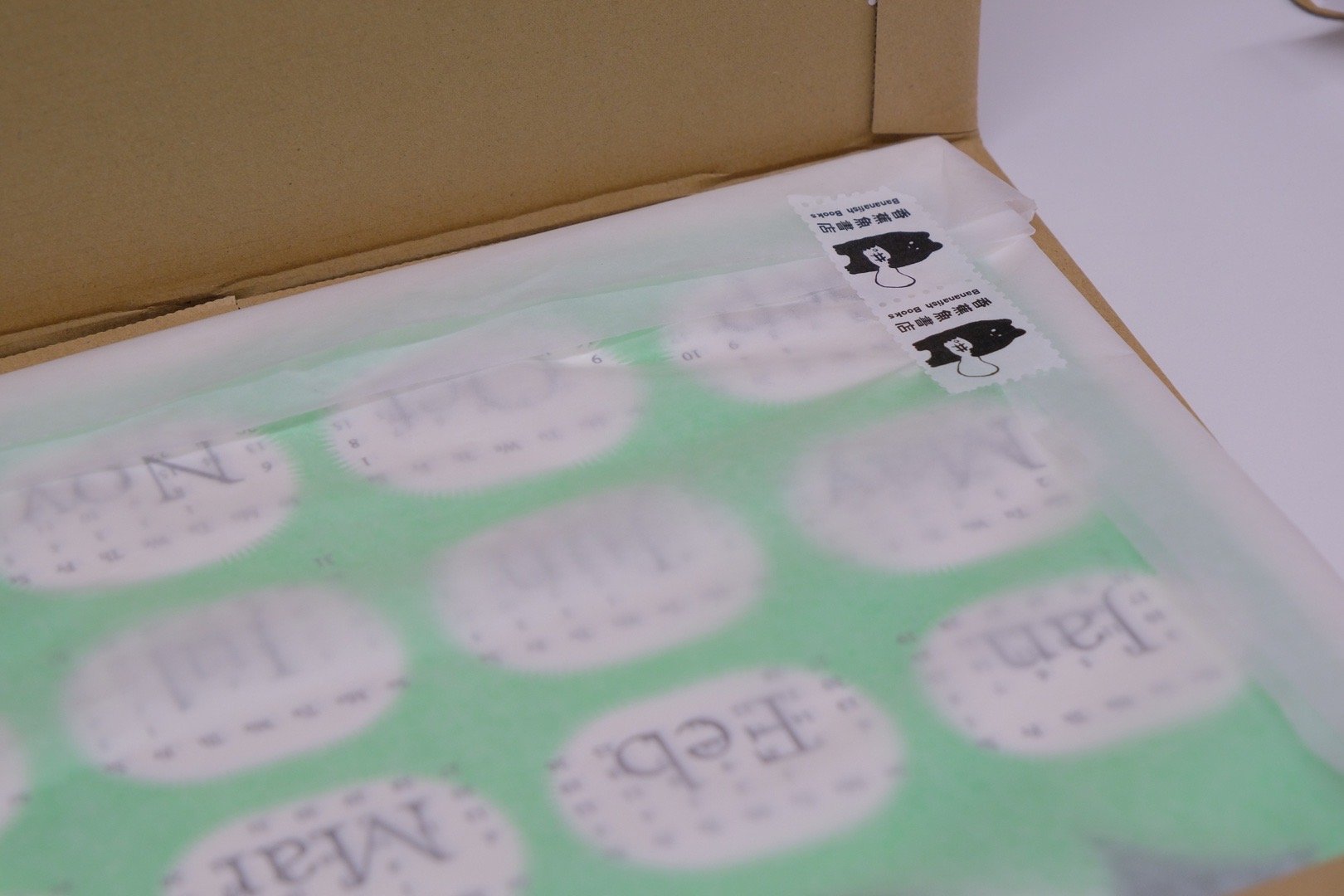
Today, Pausebread continues to run introductory Riso courses, printmaking workshops and educational programmes. We regularly host groups of students and teachers from art and design schools across China visiting Shanghai, alongside public workshops ranging from multi-color Riso calendars to experimental printmaking.
READ MORE
Pausebread has also grown alongside the development of independent publishing culture in China.
Together with Bananafish Books, its publishing projects, bookstore, exhibitions and zine programmes, the studio has participated in an ecosystem in which the entire life of a publication—content, design, production, display, circulation, sales and exchange—can remain accessible to the people making it.
In a lecture at China Academy of Art, Pausebread’s founders and directors Guan Wei and Sophie described this approach as a form of “equal working”: artists, designers, printers, publishers and readers are not arranged in a rigid production hierarchy. Instead, they can all participate in the making and circulation of a work through a book, a print or a shared publishing process.
In 2018, Pausebread initiated and organised the Asia Risograph Conference 2018 (ARC2018), extending this conversation across the region.
Held during the inaugural UNFOLD Shanghai Art Book Fair, the conference brought together Riso studios and practitioners from Shanghai, Beijing, Guangzhou, Hong Kong, Seoul and other Asian cities.
The discussion went far beyond print aesthetics. Participants exchanged knowledge about how to establish and sustain an independent Riso studio: choosing machines and inks, building color libraries, preparing separations, maintaining equipment, structuring workshops, developing publishing programmes and, importantly, finding ways for a small-scale cultural studio to survive over the long term.
The event also presented Colors Unite!, a project initiated by Berlin-based studio We Make It that brought together Riso color charts from more than one hundred studios around the world. Through projects such as this, Pausebread helped connect Shanghai’s emerging Riso community with a wider international network of independent printers and publishers.
Looking back, Pausebread’s significance lies not simply in being an early adopter of Risograph within China’s independent publishing scene. More importantly, the studio has continued to insist on a very simple idea:
Printing does not have to be reproduction after the creative process. Printing can be the creative process itself.
How a sheet of paper is folded, how one spot color sits over another, how an image is separated into individual ink layers, how a book of only thirty or fifty copies is produced—these seemingly small decisions can fundamentally change how a work is seen, touched and read.
From Riso to screen printing, from a single zine to a workshop, from helping a young maker produce a first self-published book to connecting independent print studios across different cities, Pausebread continues to demonstrate that publishing does not have to be distant, and printing is not merely an industrial process.
It can be a method of personal expression, a way of learning through design and making, and a medium through which people meet, collaborate and exchange ideas.
In recent years, wider shifts in the cultural and creative industries have also reshaped Pausebread’s structure and priorities.
Compared with its earlier years, when commercial print commissions, independent publishing projects and short-run production services formed a larger part of the studio’s work, commercial orders have declined over the past two years. In response, Pausebread has deliberately redirected more of its time and resources toward education, research and long-term collaboration with art and design schools.
We see this not simply as a contraction of commercial activity, but as a redistribution of focus.
After more than a decade of working with Risograph printing, color separation, paper, binding, editioning and independent publishing workflows, we have come to recognise that this accumulated experience can itself become a body of knowledge—something that can be taught, tested, questioned and developed collectively.
In recent years, Pausebread has developed deeper collaborations with institutions including China Academy of Art, Shanghai Institute of Visual Arts and the College of Design and Innovation at Tongji University, bringing Risograph beyond one-off workshops and technical demonstrations and embedding it more directly into art and design education.
These collaborations are also expanding from course-based teaching toward the co-development of institutional RISO Labs.
Here, Pausebread contributes not only technical knowledge of machines and printing, but also experience in designing the working logic of a print lab: workflow, color systems, material libraries, course structures, student projects, maintenance, access and day-to-day operation.
For us, a RISO Lab should not simply be a room containing a Risograph machine.
It should function as an open production environment in which students can repeatedly experiment, make editions, test materials, produce publications and develop a deeper understanding of print as a language. Through hands-on production, students can reconsider the relationship between design, reproduction, material and process.
For Pausebread, this shift feels like a natural development after more than a decade of practice.
We have gradually moved from helping creators print a book toward helping a new generation understand how a book is made.
From providing a printing service, we are moving toward sharing methods, building curricula and working with schools to establish the infrastructure in which new forms of print practice can continue to develop.
At the same time, Pausebread continues to work selectively with artists, designers and independent publishers on small editions, Riso workshops, publishing experiments and special projects. Rather than pursuing volume, we are increasingly interested in collaborations that create lasting relationships, knowledge exchange and new possibilities for practice.
This transition has also prompted us to reconsider the role an independent print studio can play today.
Printing remains more than a production service. It can be a way of learning about image, paper, color, reproduction and publishing. It can become an entry point into design education. And it can create connections between makers, students, teachers, institutions and different creative communities.
From a commercial print studio to a publishing laboratory, and now increasingly to a partner in building and shaping RISO Labs within art and design schools, Pausebread has never moved far from its original interest in making things by hand and learning through making.
What has changed is the scale at which that experience is shared.
Through a lighter, more sustainable and more education-led model, we hope to keep this knowledge of printing and publishing in circulation—to let it be used, questioned and renewed, and to help the next generation of makers develop their own methods through the physical act of making.
Riso:
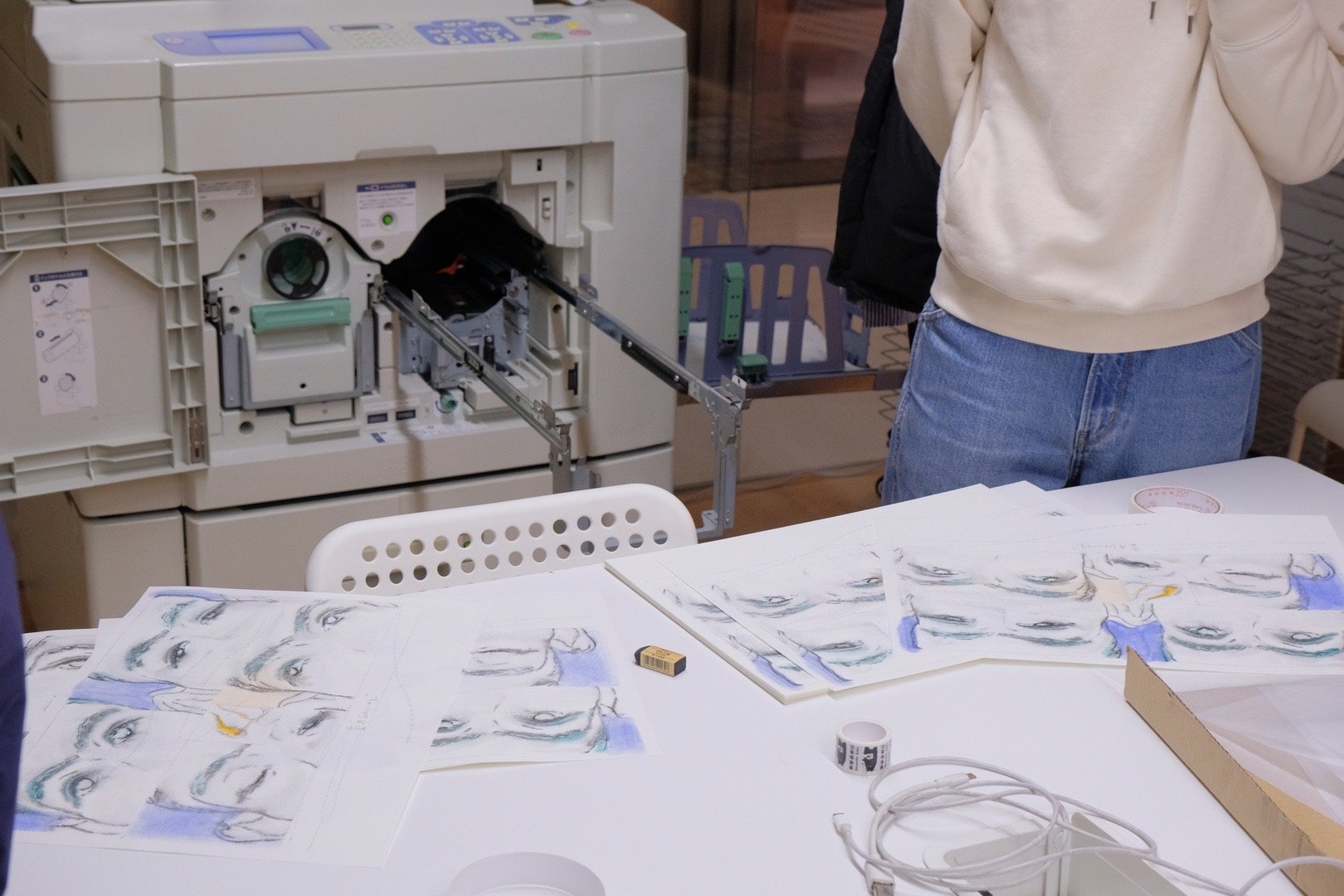
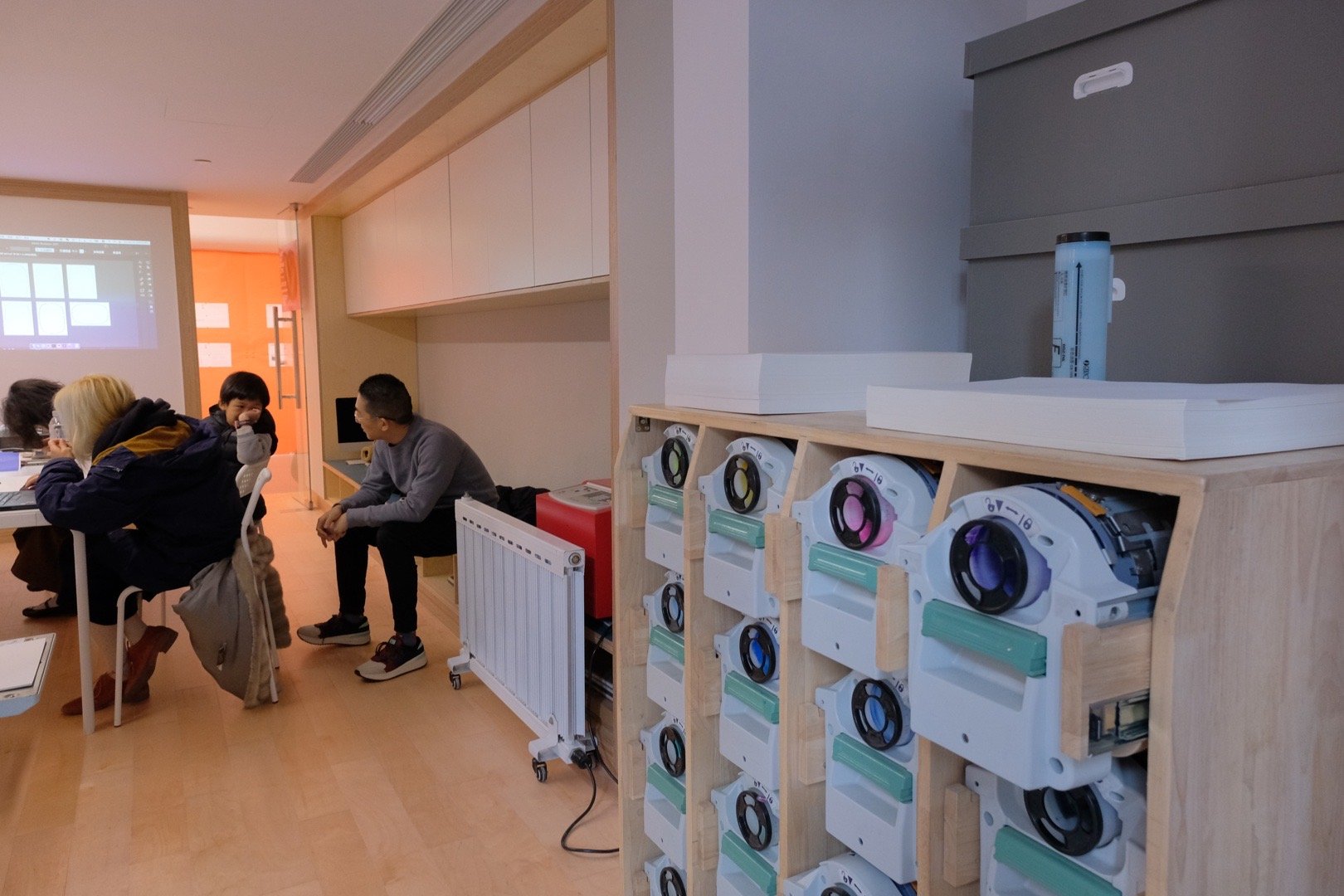
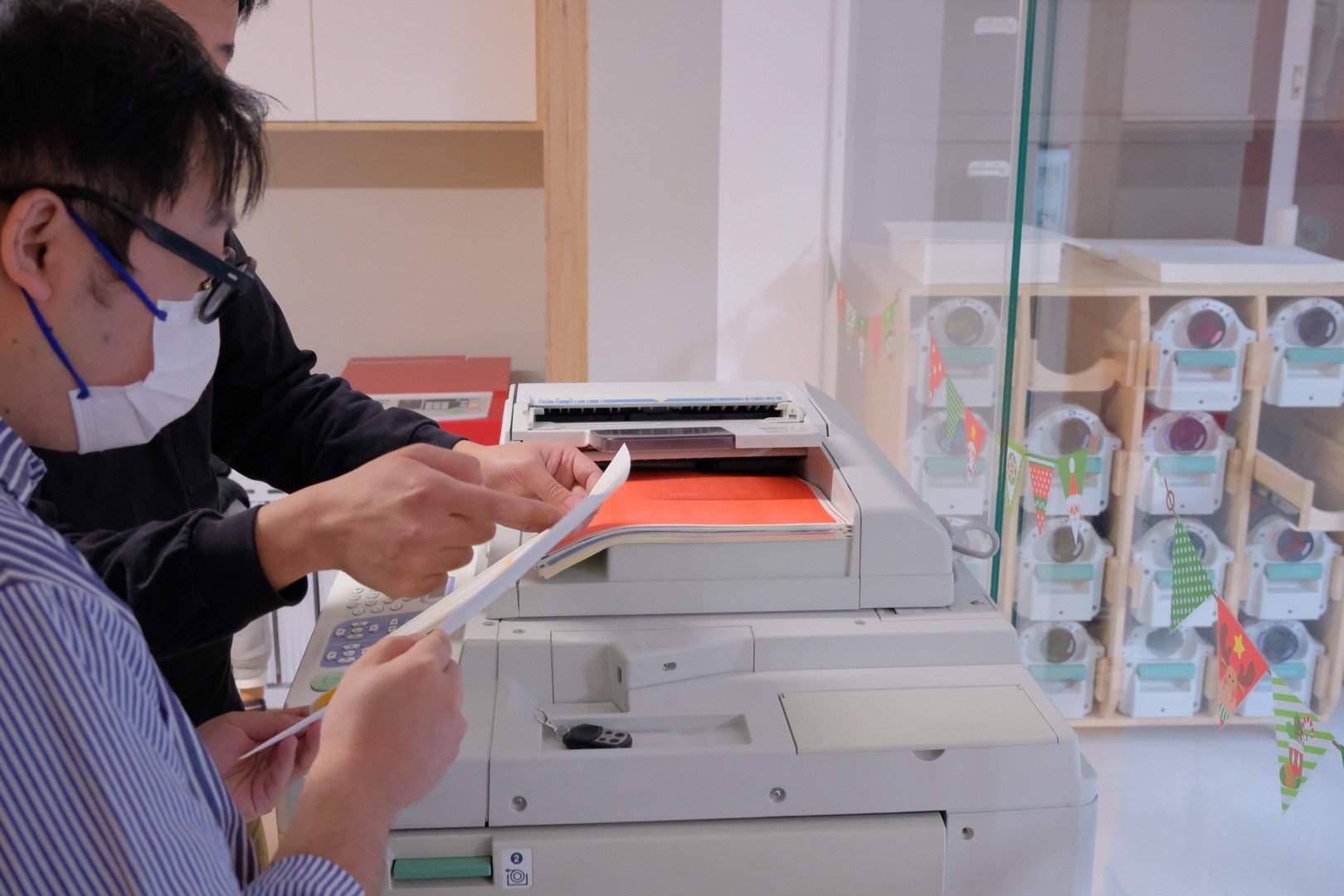
A2 Risograph机器(10个A2滚筒和颜色)
A3 Risograph机器(一台双滚筒、一台单滚筒,22个颜色)
丝网印刷:
Goccopro数字化丝网制版
A4桌面丝网制版机60秒快速制版
做书装订工具:数控裁纸机、骑马装订机、自制胶状机
咨询请加工作微信bananafishstudio
Email: bananafishbooks@qq.com
上海长宁区红宝石路7号109室(香蕉鱼书店内)
东京新宿区西新宿7-17-14 Room 105(Eiko Building)